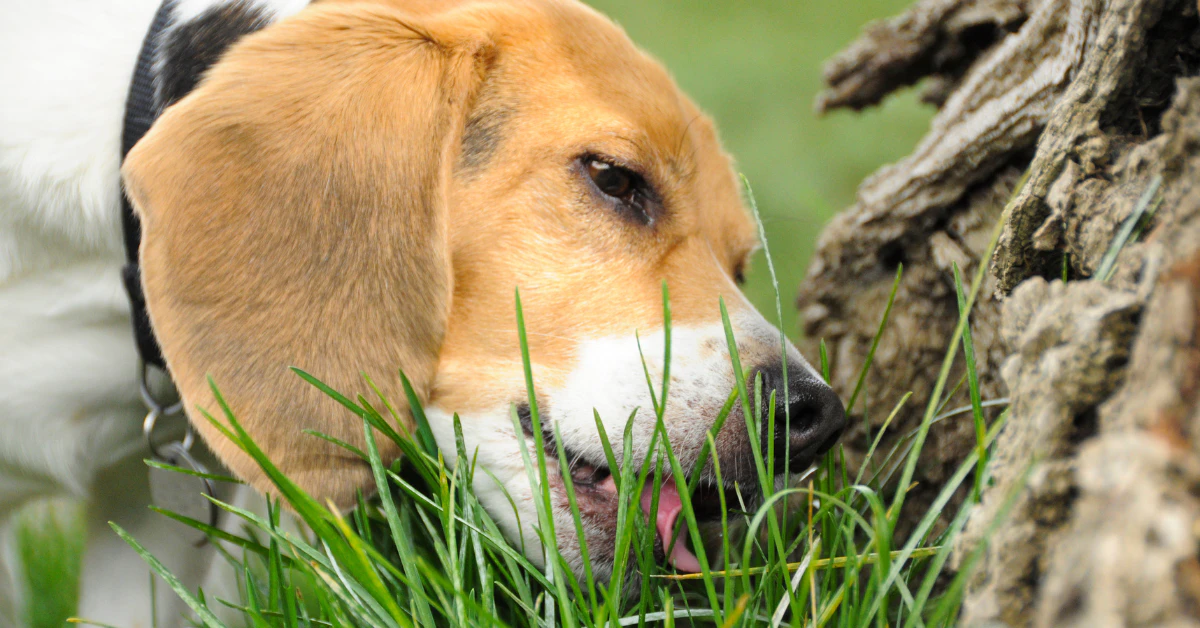
Eating grass is one of the most common things dogs do, and most of the time it’s harmless. Research on dog behavior shows that fewer than 25% of dogs actually vomit after grazing, so it usually isn’t tied to sickness. A little grass munching on a walk is rarely something to worry about.
Still, watching your dog chomp down mouthfuls of grass can feel alarming, especially if it seems sudden or frequent. You might be wondering if something is wrong, or if you should call your vet right now.
This guide walks through why dogs eat grass, what the research actually says, and the clear signs that mean it’s time to get your dog checked out. By the end, you’ll know exactly what’s normal and what’s not.
Why Do Dogs Eat Grass? The Science Behind It
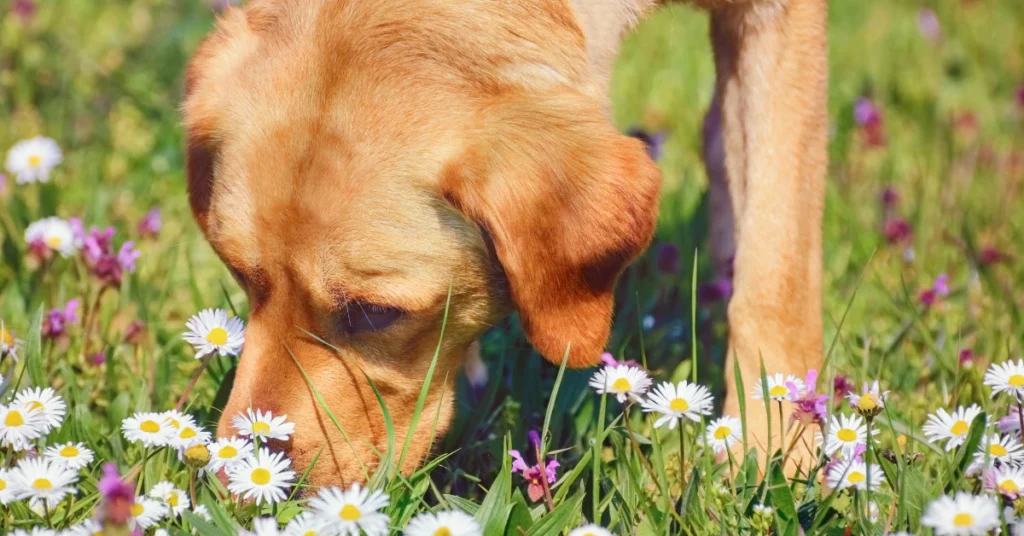
For years, people assumed dogs ate grass because they felt sick. The real research tells a different story.
A well known study on dog behavior looked closely at grass eating habits. It found that only about 9% of dogs showed any signs of feeling unwell before they ate grass. Even fewer, around 22%, actually threw up afterward. In other words, most dogs who eat grass are not doing it because their stomach hurts.
So why do they do it? A few theories help explain it.
It might be instinct. Wild dogs and wolves are known to eat plants along with their prey. Studies on wolf droppings found that grass showed up in somewhere between 11% and 47% of samples. Since dogs share ancestry with wolves, this old habit may have simply stuck around.
Boredom plays a role too. Dogs left alone in a yard for long stretches sometimes nibble on grass simply because it’s there and gives them something to do.
What about the fiber theory? You may have heard that dogs eat grass because their diet is missing something, like fiber. This idea sounds reasonable, but it isn’t well supported. According to a veterinary behaviorist at UC Davis, there is no confirmed nutritional reason behind the habit. It’s more likely a mix of instinct, boredom, and simple taste preference than a sign your dog’s food is lacking something.
For general information on healthy canine behavior, the American Veterinary Medical Association is a reliable resource for pet owners.
The bottom line is this. Most dogs who graze on grass are healthy dogs acting on old instincts, not sick dogs trying to self medicate.
Vomiting and Upset Stomachs: Which Comes First?
Here’s a question that trips up a lot of dog owners. Does grass upset a dog’s stomach, or does an upset stomach make a dog eat grass? It can feel like a chicken and egg puzzle.
The honest answer is that it’s usually neither. Most dogs eat grass simply because they want to, not because they’re already sick.
That said, dog eating grass and vomiting does happen sometimes, and there’s a simple mechanical reason for it. When a dog gulps down grass quickly without chewing much, the rough blades can scratch and irritate the lining of the stomach. That irritation alone can be enough to trigger a vomiting reflex, even if the dog felt perfectly fine beforehand.
If vomiting does happen, it tends to show up fairly soon afterward, often within a short window of about 10 to 20 minutes. This isn’t a hard medical rule, just a general pattern many owners notice.
Now, here’s where a lot of confusion comes from online. Some dogs vomit yellow foam or bile in the morning, or after going a long stretch without eating, and owners assume it’s connected to grass. Often, it isn’t. This pattern has its own name: Bilious Vomiting Syndrome, or BVS.
BVS happens when digestive fluids build up in an empty stomach and irritate the lining, causing your dog to throw up bile even if they haven’t eaten any grass at all. If your dog seems to deal with dog eating grass upset stomach symptoms mainly on an empty stomach or first thing in the morning, BVS could be the real explanation rather than the grass itself.
The takeaway is simple. One-time vomiting after grazing usually isn’t a big deal. But if it’s a regular pattern, especially tied to an empty stomach, it’s worth mentioning to your vet so they can rule out BVS or other causes.
This isn’t a substitute for professional veterinary advice. If your dog vomits repeatedly or seems uncomfortable, please contact your veterinarian.
Normal Grazing vs. Red Flag Behavior
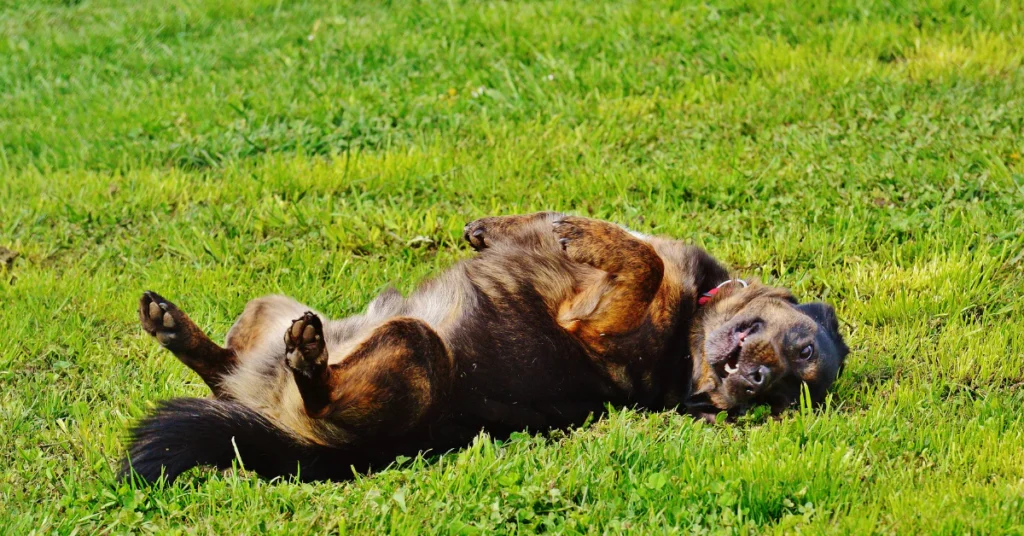
Not all grass eating looks the same, and the way your dog does it matters. A quick side-by-side comparison can help you figure out which category your dog falls into.
| Normal Grazing | Red Flag Behavior | |
| Frequency | Occasional, a few nibbles here and there | Sudden, frequent, or nonstop |
| Body Language | Relaxed, calm, almost casual | Frantic or urgent, like your dog suddenly eating grass like crazy |
| Appetite | Normal meals, eating as usual | Dog eating grass and not food, skipping regular meals |
| Other Symptoms | None | Vomiting more than once, diarrhea, tiredness, or acting “off” |
| What It Usually Means | Instinct, boredom, or taste preference | Possible underlying issue worth checking |
If your dog fits mostly in the first column, there’s usually nothing to worry about. Keep an eye on things, but no action is needed right away.
If your dog is showing signs from the second column, especially several at once, it’s a good idea to call your vet. A dog that suddenly can’t stop eating grass, especially while turning down food, is telling you something has changed. That shift is worth paying attention to, even if your dog seems otherwise fine.
This isn’t a substitute for professional veterinary advice. When in doubt, a quick call to your vet can offer peace of mind.
Hidden Dangers in the Grass
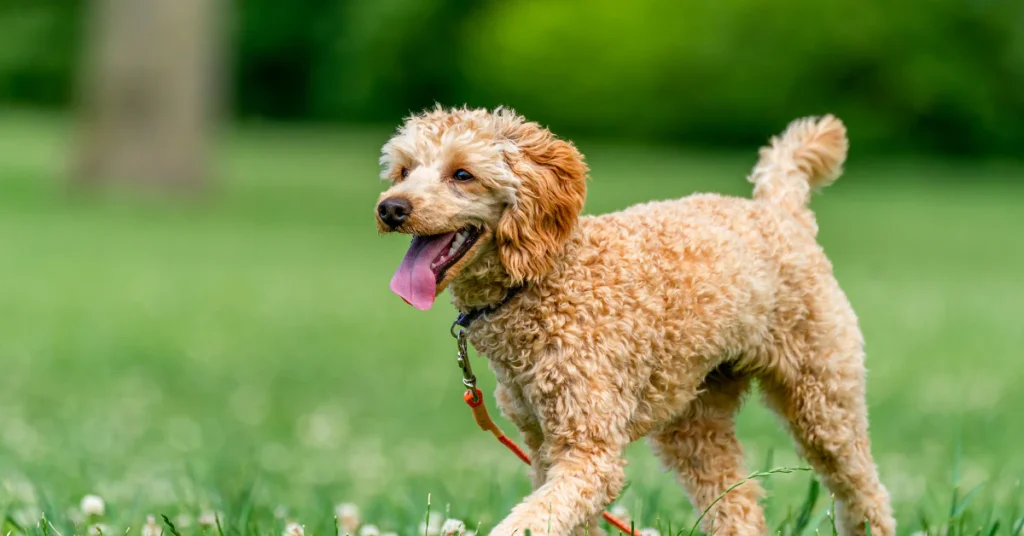
The grass itself is usually not the problem. What might be sprayed, hidden, or growing in it is a different story.
Lawn chemicals carry real risks, backed by real research. A 1991 study funded by the National Cancer Institute found that dogs whose owners used the herbicide 2,4-D on their lawn four or more times a year were about twice as likely to develop a type of cancer called lymphoma. A separate 2004 study from Purdue University found that Scottish Terriers exposed to herbicide-treated lawns had four to seven times the risk of bladder cancer compared to dogs not exposed. This isn’t a small or vague concern. It’s measurable risk tied to specific chemicals.
Foxtails are another hazard, and they have nothing to do with eating. These are barbed grass seeds that can stick to a dog’s fur and work their way into the skin, paws, ears, nose, or eyes. Once embedded, they don’t dissolve and can keep moving deeper into the body. If a foxtail gets stuck, a vet often needs to remove it, sometimes with a minor procedure. Signs to watch for include limping, head shaking, squinting, or sudden sneezing after being in tall grass.
Parasites are a smaller but real risk too. Grass can carry roundworms or hookworms left behind in another animal’s waste, and a dog nosing through that grass can pick them up.
Rodenticide, or rat poison, is worth mentioning as well. In yards, parks, or near buildings where pests are controlled, poison bait can end up in grassy areas. This is unrelated to grass eating itself, but it’s a real risk in the same spaces where dogs graze.
None of this means grass is off limits. It just means where your dog grazes matters as much as whether they graze at all.
This isn’t a substitute for professional veterinary advice. If you suspect your dog was exposed to lawn chemicals, rodenticide, or has a foxtail stuck somewhere, contact your veterinarian right away.
Emergency Look-Alike: When It’s Actually Bloat (GDV)
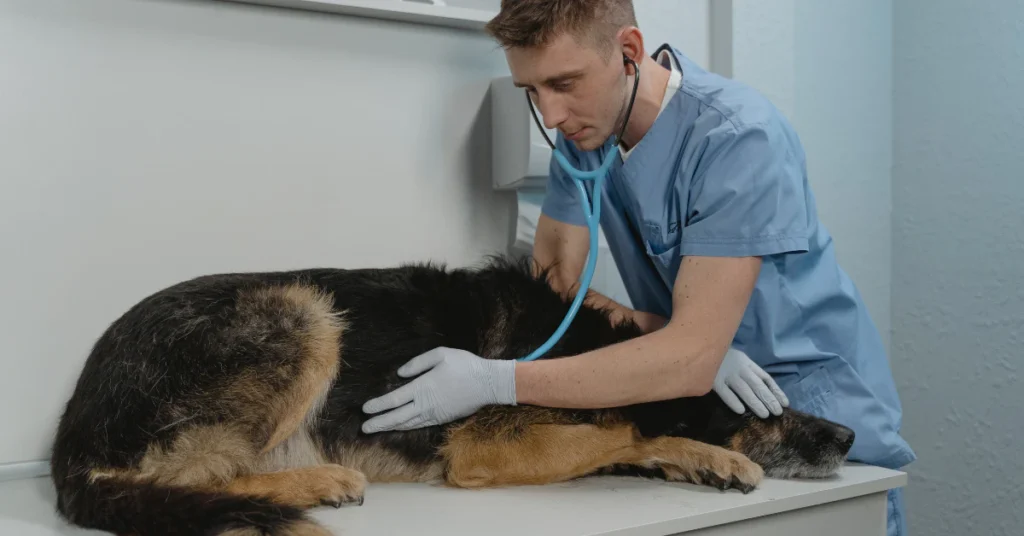
This isn’t a substitute for professional veterinary advice. If your dog shows the signs below, treat it as an emergency and contact your vet or an emergency animal hospital right away.
Sometimes what looks like dog eating grass when sick is actually something far more serious called bloat, or GDV (gastric dilatation-volvulus). This condition has nothing to do with grass, but it can look similar at first glance, and mistaking one for the other can cost precious time.
According to the American Animal Hospital Association, the early signs of bloat include restlessness that won’t settle, heavy drooling, and something called unproductive retching. This means your dog looks like they’re trying hard to vomit, but nothing comes up.
As bloat progresses, the belly becomes hard and visibly swollen, almost like a drum. This is very different from a dog who ate grass and is simply having a normal upset stomach.
If your dog is retching without producing vomit and their belly feels tight or distended, do not wait to see if it passes. Bloat can turn fatal within hours, and it requires emergency surgery. When in doubt, treat it as an emergency.
Frequently Asked Questions
Does dog eating grass mean they are sick?
Not usually. Research shows most dogs who graze show no signs of illness beforehand and don’t vomit afterward. It’s a common, mostly normal behavior rather than a symptom.
What do I do if my dog is eating grass?
In most cases, nothing. Just make sure the grass isn’t treated with chemicals and isn’t in an area with rat poison or animal waste. If your dog seems fine afterward, there’s no need to intervene.
When should I worry about grass-eating?
Worry if the behavior suddenly becomes frantic or nonstop, if your dog skips regular meals, or if vomiting, diarrhea, or tiredness shows up alongside it. A hard, swollen belly with unproductive retching is an emergency, not a wait-and-see situation.
What happens when your dog keeps eating grass?
For most healthy dogs, nothing harmful happens from the grass itself. The bigger risks come from what might be on or hiding in it, like herbicide chemicals, parasites, or foxtail seeds.
How long after eating grass will a dog be sick?
If vomiting happens, it usually shows up within about 10 to 20 minutes. This is a general pattern, not a strict rule, and one-time vomiting typically isn’t a cause for concern.
What is a dog lacking when they eat grass?
Probably nothing. The idea that grass eating points to a missing nutrient isn’t well supported. Veterinary behaviorists note there’s no confirmed nutritional deficiency behind the habit, so it’s more likely tied to instinct or preference than diet.
A Quick Recap
Grass eating is one of those dog habits that looks stranger than it actually is. Most dogs do it because of old instincts, boredom, or simple taste, not because something is wrong. The real things worth watching for are changes in your dog’s usual pattern, chemicals on the lawn, foxtails, and the rare but serious signs of bloat. When you know the difference between a normal habit and a true red flag, you can relax about the small stuff and act fast on the things that matter.
This isn’t a substitute for professional veterinary advice. If you’re ever unsure, your vet is the best person to call.