
Yes, the inside flesh of an avocado is generally safe for dogs in small amounts. Pet Poison Helpline classifies avocado flesh as non-toxic to dogs and cats. The real danger is the pit, which can cause a serious blockage in your dog’s gut.
So if your dog just licked or nibbled some plain avocado flesh, you can breathe a little easier. That part alone is not considered poisonous.
But this isn’t a green light to share guacamole or let your dog near the whole fruit. The pit, skin, and any added ingredients change the risk completely. The rest of this guide breaks down exactly what’s safe, what’s not, and what to watch for.
Why You’re Getting Mixed Messages From Vets
If you have searched this question before, you have probably noticed the internet does not agree with itself. Pet Poison Helpline says avocado is non-toxic to dogs. Other vet sites tell you to avoid it entirely. Neither one is lying to you.
Here is what is actually going on. Persin, the toxin in avocado, does exist in the flesh dogs eat. But dogs are far less sensitive to it than animals like birds, horses, or cows. According to the Merck Veterinary Manual, dogs seem relatively resistant to persin compared with other species.
So where does the scarier “heart damage” warning come from? It traces back to a single case report from 1994, describing two dogs in Kenya that reportedly got sick after eating a large amount of avocado. Even that case was never fully confirmed to be caused by the avocado itself.
That is the entire evidence base for the more alarming claims you see online. One old report, involving two dogs, with an unconfirmed cause.
This does not mean avocado is a health food for dogs. It means the flesh alone is not the emergency some articles make it sound like. The real risks in this fruit come from somewhere else, and we will get to those next.
The Real Dangers: What Actually Hurts Dogs
Persin is not really the main threat here. Three other things are, and they deserve your full attention.
The pit
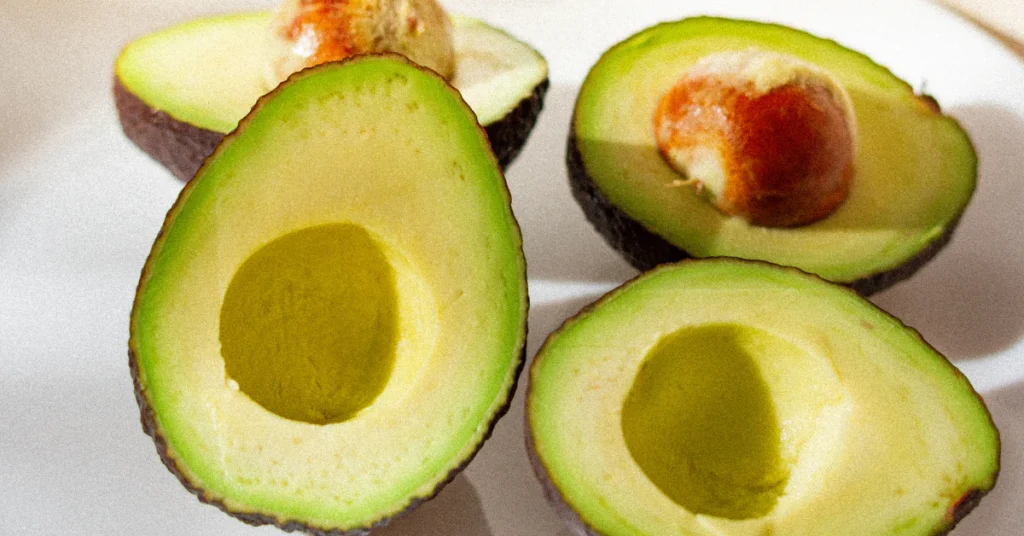
This is the most serious risk by far. An avocado pit is smooth, round, and just the right size to get stuck. If your dog swallows one, it can become lodged in the stomach or intestines. This is called a foreign body obstruction, and it often requires emergency surgery to fix. A dog with a blocked gut cannot pass anything through, and the condition gets worse by the hour. If you know your dog swallowed a pit, do not wait to see what happens. Call your vet right away.
The skin and leaves
This is where persin is most concentrated. Eating the skin or leaves of an avocado plant is far riskier than eating the flesh. It can cause vomiting and diarrhea, and in larger amounts, more serious stomach upset. Keep your dog away from avocado peels in the trash and away from avocado trees or plants if you have them at home.
The fat
Here is the part most owners do not expect. Avocado flesh is high in fat. A small taste is usually fine. But a sudden large amount of fat can trigger pancreatitis, a painful and sometimes serious inflammation of the pancreas. This is not caused by persin at all. It is simply too much rich food hitting your dog’s system at once.
So the size of the portion matters more than most people realize. A thin slice is a very different event than your dog finishing off a whole avocado left on the counter.
Here is the quick version:
| Part | Main Risk |
| Pit | Choking, gut blockage |
| Skin and leaves | Persin, vomiting, diarrhea |
| Flesh (large amount) | Pancreatitis from fat |
| Flesh (small amount) | Generally low risk |
The takeaway is simple. Watch the pit like a hawk, skip the skin and leaves entirely, and keep flesh portions small.
The Human Food Trap: Guacamole, Toast, and Ranch
The avocado itself is rarely the biggest problem. What you mix it with usually is.
Guacamole
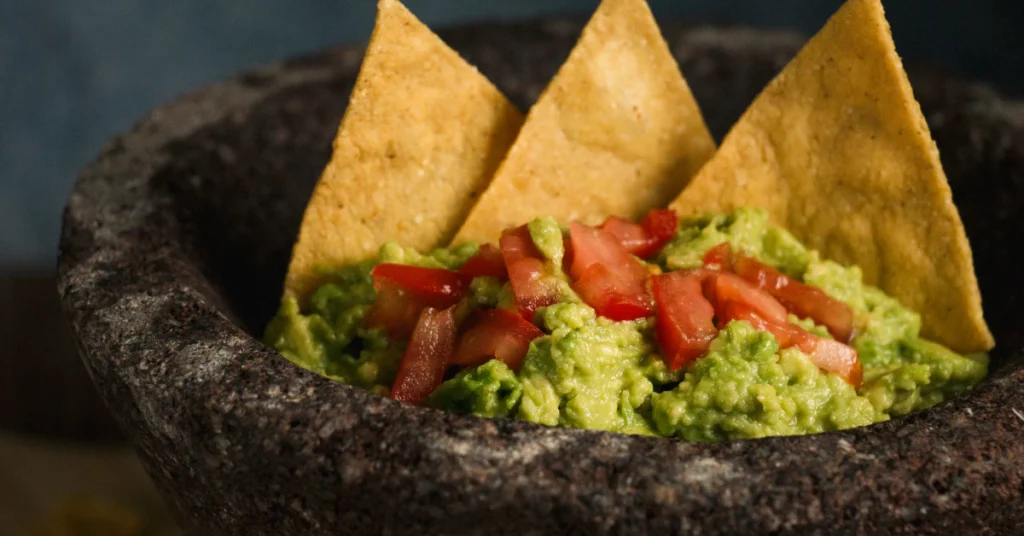
This is where things get genuinely risky. Guacamole almost always contains onion and garlic. Both are toxic to dogs on their own, separate from anything related to avocado. Onion and garlic contain a compound called thiosulfate, which damages a dog’s red blood cells and can lead to a condition called hemolytic anemia, according to the Merck Veterinary Manual.
Here is the part most owners miss. Symptoms do not show up right away. Vomiting, diarrhea, or belly pain can appear one to three days later. The more serious signs, like weakness or dark urine, often do not show up until three to five days after your dog eats it.
That means your dog can seem completely fine a few hours after finishing a bowl of chips and guac. That does not mean they are in the clear. If you know your dog ate a real amount of guacamole, it is worth a call to your vet, even if nothing seems wrong yet.
Avocado toast
Plain avocado toast with just salt and pepper is much lower risk than guacamole. There is no onion or garlic involved. Still, keep portions small and skip toast made with heavy seasoning blends or spreads.
Avocado ranch
Ranch dressing often includes garlic powder or onion powder, along with dairy and added fat. This combination stacks two separate risks on top of each other. Treat avocado ranch the same way you would treat guacamole, and keep it away from your dog entirely.
Avocado Oil vs. Flesh (And Pet Food Claims)
Avocado oil and a fresh slice of avocado are not the same thing, even though they come from the same fruit.
Commercial avocado oil used in dog food is made by processing the flesh separately from the skin, pit, and leaves. That matters because those are the parts where persin is most concentrated. The oil used in pet food generally does not carry the same risk profile as feeding your dog whole avocado.
This is also why you might see “avocado” listed as a beneficial ingredient on some dog food and treat bags, often tied to skin and coat health. In a controlled, processed form, this is different from your dog getting into a whole avocado on the counter.
That said, it is fair to read these labels with a little skepticism. In 2021, a class action lawsuit was filed against AvoDerm’s parent companies, alleging misleading marketing that avocado is a key ingredient in pet foods when they contain little to no avocado. As of the research for this article, that case is still listed as pending.
None of this means avocado oil in dog food is dangerous. It simply means “avocado” on a label is a marketing detail worth a second look, not proof of any specific health benefit. If a product’s claims matter to you, checking the actual ingredient list is more useful than the front-of-bag branding.
What to Do If Your Dog Ate Avocado

This section is not a substitute for professional veterinary advice. If your dog is showing symptoms or you are unsure what they ate, call your vet, the ASPCA Animal Poison Control Center at (888) 426-4435, or Pet Poison Helpline at (855) 764-7661 right away.
What you should do next depends on exactly what your dog got into.
My dog just licked the flesh
This is the lowest concern scenario. A lick or small nibble of plain avocado flesh is generally not a reason to panic. Keep an eye on your dog for the next few hours and watch for vomiting or diarrhea, just to be safe.
My dog ate the pit
Treat this as an emergency. A swallowed pit can cause a serious blockage in the stomach or intestines. Do not wait for symptoms to appear. Call your vet or an emergency animal hospital right away, even if your dog seems totally normal.
My dog ate guacamole
Call poison control. Guacamole almost always contains onion and garlic, which are toxic on their own and can cause delayed symptoms over the next several days. Have the amount eaten and the approximate time ready when you call, since that information helps them give you the right guidance.
When in doubt, a quick call costs you nothing. A missed emergency can cost a lot more.
Species Sensitivity: Who Else Is at Risk?
Dogs are far from the most vulnerable animal when it comes to avocado. If you have other pets or farm animals at home, sensitivity to persin varies a lot by species.
| Animal | Sensitivity Level | What Can Happen |
| Birds | Very high | Weakness, breathing trouble, and it can be fatal, according to the ASPCA |
| Horses, cows, goats, sheep | High | Swollen, fluid-filled heads and necks |
| Rabbits | High | Sensitive to persin exposure |
| Dogs and cats | Low to moderate | Mostly mild stomach upset from the flesh |
If you keep birds, rabbits, or backyard animals alongside your dog, avocado deserves much more caution around them than it does around your dog.
Frequently Asked Questions
How much avocado can I give my dog?
There is no official safe amount for dogs. Stick to a tiny taste of the plain flesh, and treat it as a rare extra, not a regular snack.
What if my dog only ate a little avocado?
This is usually not a big worry. Watch for vomiting or diarrhea over the next few hours, but most dogs are fine after a small bite of flesh.
What foods are toxic to dogs?
Onions, garlic, grapes, chocolate, and xylitol (a common sweetener) are all toxic to dogs. The avocado pit and skin belong on this list too.
What animals can’t eat avocados?
Birds and animals like horses, cows, and goats are far more sensitive to persin than dogs. For them, avocado exposure can be serious.
Is it safe for dogs to lick an avocado?
A lick of the plain flesh is generally fine. Just keep your dog away from the skin, the pit, and any bowl that held guacamole.
Conclusion
Avocado flesh alone is not the emergency that some headlines make it sound like. Dogs handle small amounts better than birds, horses, or farm animals do. The real dangers sit elsewhere: the pit, the skin, and anything mixed with onion or garlic like guacamole and ranch dip.
Keep portions small, skip the seasoned dips, and call your vet or a poison control line if you’re ever unsure. That simple approach covers almost every situation you’ll actually run into.