
“Russian pet names” can mean sweet nicknames you call a partner, like Solnyshko (little sun), or real names you give a dog or cat, like Laika. Both are common searches, and they need very different word lists.
If you came here hoping to call your boyfriend or girlfriend something soft and affectionate in Russian, you’re in the right place. If you’re naming a new puppy or kitten and want something with real Russian roots, you’re also covered.
This guide walks through both, with pronunciation help so you can say these words out loud with confidence. It also flags a few words that sound cute but actually mean something rude, so you don’t accidentally say one in front of a Russian speaker.
The Big Split: Romantic Nicknames vs. Literal Animal Names
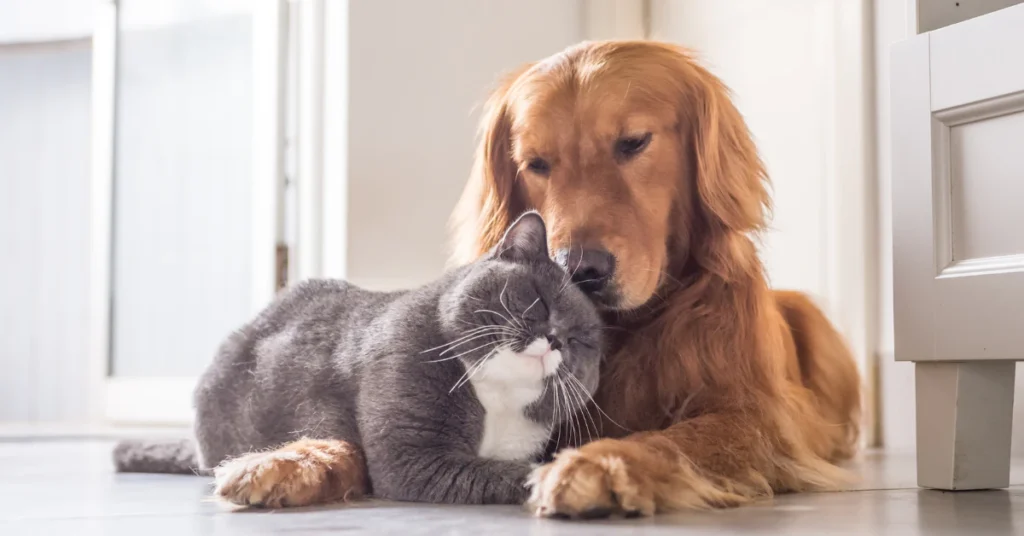
Russian splits these two worlds pretty clearly.
Words for an actual dog, like “sobaka,” are plain and neutral. They just mean “dog,” the same way the word does in English. But romantic pet names work on a totally different set of words. Many of them borrow animal words, like “kitten” or “bunny,” and turn them into something warm and affectionate. The animal word becomes a feeling, not a label.
This is different from English. Calling your partner “kitten” in English feels playful but a little rare. In Russian, doing this is extremely common, almost expected in a close relationship. The trick is knowing which words carry that warmth and which ones are just dictionary terms for the animal itself.
Here’s a quick guide to keep the registers straight:
| Situation | What to Use |
| Talking to a romantic partner | Diminutive pet names (Solnyshko, Zaika) |
| Naming an actual dog or cat | Plain names (Laika, Belka) |
| Talking to a close friend | Mild terms only (Milaya/Mily) |
| Talking to a coworker or stranger | Skip pet names entirely |
Mixing these up can come across as confusing or even a little odd to a native speaker.
Romantic Endearments (For Your Human Partner)

Russian nicknames change their ending depending on who you’re talking to. Many words have a male form and a female form, so you pick based on your partner’s gender, not your own.
Take the word for “dear.” Say “dorogoy” to a man and “dorogaya” to a woman. The core word stays the same, just the ending shifts. This pattern repeats across most Russian pet names, so once you learn it, picking the right word gets much easier.
For a girlfriend, wife, or someone you love (feminine forms):
| Cyrillic | Transliteration | Meaning | How to Say It |
| дорогая | dorogaya | Dear, darling | doh-roh-GAH-yah |
| солнышко | solnyshko | Little sun | SOHL-nish-koh |
| милая | milaya | Sweetheart | MEE-lah-yah |
| зая | zaya | Bunny, honey | ZAH-yah |
| детка | detka | Babe | DYET-kah |
For a boyfriend, husband, or the men in your life (masculine forms):
| Cyrillic | Transliteration | Meaning | How to Say It |
| дорогой | dorogoy | Dear, darling | doh-roh-GOY |
| милый | mily | Sweetheart | MEE-lih |
| котик | kotik | Kitten | KOH-tik |
| зайчик | zaychik | Bunny | ZAI-chik |
A few of these deserve a closer look. “Solnyshko” means “little sun,” and it’s one of the warmest, most common things you can call someone you love in Russian. It doesn’t just mean the person is bright or cheerful. It carries a soft, parental kind of warmth, almost like saying someone lights up your whole day.
“Milaya” and “mily” both work like “sweetheart” in English. They’re gentle, safe words that fit almost any romantic stage, whether you just started dating or have been together for years.
Notice that “zaya” comes from the word for bunny, and “kotik” comes from the word for kitten. This is exactly the pattern covered earlier. The animal word turns into something affectionate once you add it to how you talk to a partner. Used this way, with a partner, these words carry real warmth. They would sound strange directed at a coworker.
Sweet Nicknames for Family and Kids

Parents in Russia have their own set of warm words, completely separate from romantic ones.
One important rule first. The word “detka,” which means “babe,” is strictly romantic. It’s used between partners, never for an actual child. Using it on a kid would sound confusing, even a little inappropriate, to a Russian speaker. This is a good reminder that register matters a lot in Russian.
Instead, Russian parents often turn a child’s own name into something softer. This is one of the most common ways to show affection to a child.
| Name | Affectionate Form | How to Say It |
| Anya | Anechka | ah-NYECH-kah |
| Masha | Mashenka | MAH-shen-kah |
| Sasha | Sashenka | SAH-shen-kah |
Beyond names, parents use a few gentle general terms too.
| Cyrillic | Transliteration | Meaning |
| солнышко | solnyshko | Little sun |
| малышка | malyshka | Baby girl |
| ангел | angel | Angel |
“Solnyshko” works beautifully here too. It’s not locked to romance. Parents use it for kids all the time, and it carries that same warm, sunny feeling no matter who hears it.
For a daughter especially, adding “-echka” or “-enka” to her name is a simple, genuine way to show love in Russian, and it’s one of the gentlest habits in the whole language.
The Grammar of Affection: How Diminutives Work
English shows affection by adding a separate word, like “little” or “sweet.” Russian does something different. It builds the affection right into the word itself, using a suffix at the end.
This is called a diminutive, and it’s one of the most charming parts of the Russian language. Once you know a few common suffix patterns, you can actually start to recognize or even build your own pet names.
| Suffix | Example | Meaning |
| -очка / -ечка | Анна → Анечка (Anya → Anechka) | Turns a name soft and sweet |
| -онька / -енька | Саша → Сашенька (Sasha → Sashenka) | Adds warmth and closeness |
| -ушка / -юшка | солнце → солнышко (solntse → solnyshko) | Makes a word tender, almost childlike |
| -ик / -ок | кот → котик (kot → kotik) | Makes something small and cute |
Look at “solnyshko” again. The base word “solntse” just means “sun.” Add “-ushko” and it becomes “little sun,” a word packed with warmth. No extra adjective needed. The feeling lives inside the word.
The same thing happens with “kot,” the plain word for cat. Add “-ik” and it becomes “kotik,” an affectionate nickname people use for pets and partners alike.
This single pattern explains why Russian has so many pet names that look similar but feel slightly different. Once you spot the suffix, you can guess the tone, even for a word you’ve never seen before.
Literal Russian Names for Dogs and Cats

If you want a real Russian name for your dog or cat, history offers some great options.
Russia has a famous naming story baked right into its space program. In the 1950s and 1960s, the Soviet Union sent several dogs into space. The most famous was Laika, whose name actually comes from the Russian word for “barker,” a nod to her vocal personality. Two other dogs, Belka and Strelka, made history by surviving a full orbital flight and returning safely to Earth. Belka means “squirrel,” and Strelka means “little arrow.” These are real, documented names with a true story behind them, not just invented list-filler.
Beyond the space dogs, there are plenty of everyday Russian names that work well for a pet.
| Name | Meaning | Good For |
| Laika | Barker | Dogs |
| Belka | Squirrel | Dogs or cats |
| Strelka | Little arrow | Dogs |
| Kot | Cat (male) | Cats |
| Murka | Purring one | Cats |
A quick note on picking the name that will actually work day to day. Many dog trainers suggest short names, usually one or two syllables, with a strong, clear consonant sound at the start or end. This isn’t a strict rule, just general trainer advice, but the idea makes sense. A short, sharp name is easier to say the same way every time, and that consistency helps during recall training, when you’re calling your dog back to you.
Looking at the list above, “Kot” fits that pattern well. It’s short, clear, and simple to say. “Laika” is a little longer but still has a strong, easy rhythm. Something like “Strelka” is lovely and meaningful, but it’s worth practicing out loud a few times before you commit, just to make sure it’s one you and your family can say consistently.
If you want more guidance on choosing a name and settling a new dog into your home, the American Kennel Club has solid, trustworthy tips worth checking before you bring your puppy home.
The “Suki” Trap: Words to Avoid
Here’s one word that deserves its own warning.
A lot of people search for “suki” thinking it’s a sweet Russian word. It isn’t. In Russian, “suka” is a harsh, vulgar term. It literally refers to a female dog, but in everyday use it works like the English word “bitch,” and it’s genuinely rude. The word even has a darker history in Russian prison slang, where it was used to label an informer or traitor. “Suki” is simply the plural form, so it means the insult multiplied, not softened.
So where does the confusion come from? It likely comes from Japanese, not Russian. In Japanese, “suki” (好き) means “I like you” or “I’m fond of you,” and it shows up a lot in anime, music, and online culture. The two words just happen to sound alike.
If someone has heard “suki” used sweetly online, they were almost certainly hearing the Japanese word, not the Russian one. In Russian, there’s no version of this word that works as a compliment or a pet name, in any context.
It’s a simple mix-up, but a good one to clear up before you use the word on anyone.
Frequently Asked Questions
What do Russians call their partner?
The most common word is “dorogoy” for a man or “dorogaya” for a woman, which means “dear” or “darling.” Many couples also use softer nicknames like “solnyshko” (little sun) or a sweetened version of their partner’s name.
What does “suki” mean in Russian slang?
It’s the plural of “suka,” a vulgar Russian word for a female dog that is used as a harsh insult, similar to “bitches” in English. It is not a term of endearment and should never be used as one.
What are some flirty words in Russian?
Sincere compliments work better than jokes in Russian flirting culture. Saying someone is “krasivaya” (beautiful) or calling them “milaya” (sweetheart) are common, warm ways to show interest.
How do you say “babe” in Russian?
The closest match is “detka,” which works like “babe” or “baby” between romantic partners. It’s strictly romantic and isn’t used for actual children.
How do Russians say “darling”?
“Dorogoy” for a man and “dorogaya” for a woman both translate directly to “darling” or “dear.” It’s one of the most universal terms of affection in the language.
How to flirt with a Russian girl?
Genuine, thoughtful compliments go further than casual pickup lines in Russian dating culture. Using her name in an affectionate diminutive form and showing real interest in her life tends to make a much stronger impression.