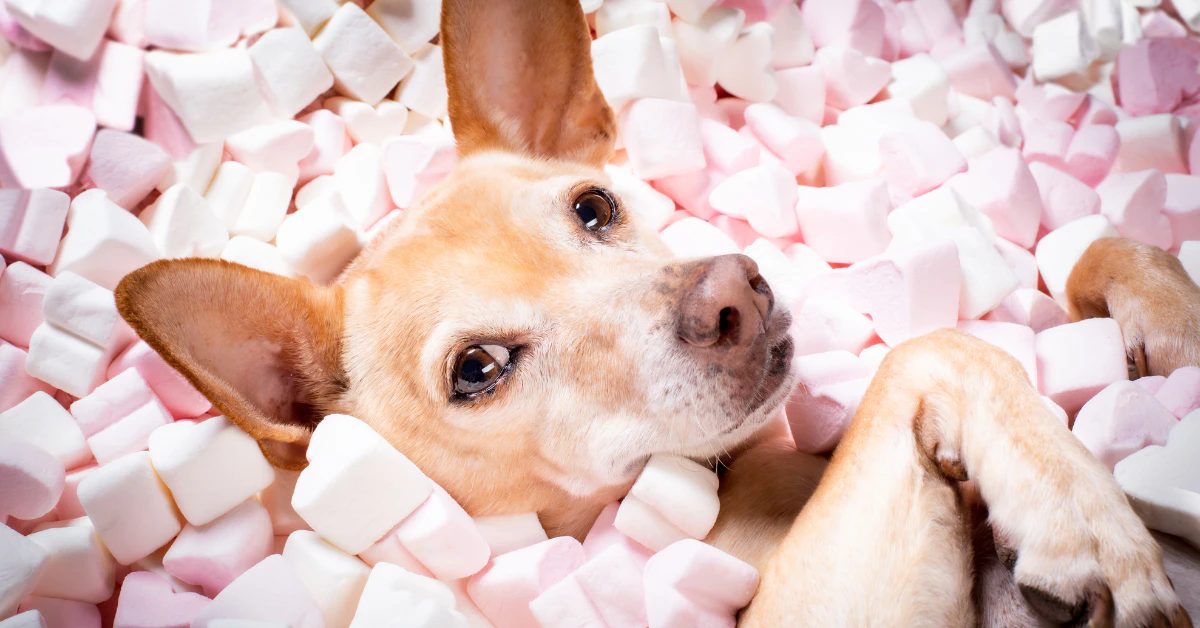
Plain sugar marshmallows are not highly toxic to dogs. A small bite of a regular marshmallow is unlikely to cause serious harm. But marshmallows made with xylitol are a different story entirely. Xylitol triggers a fast, dangerous insulin spike in dogs that can lead to low blood sugar, seizures, and even liver damage.
A quick but important note: this article is not a substitute for professional veterinary advice. If you know or suspect your dog ate a xylitol-containing marshmallow, contact your vet or an animal poison control hotline right away. Don’t wait to see if symptoms show up first.
So can dogs have marshmallows safely? It depends almost entirely on the ingredients list. Below, we’ll break down exactly what makes a marshmallow safe, what makes one dangerous, and what to do if your dog already got into the bag.
The Real Danger: Xylitol Poisoning and Your Dog’s Weight
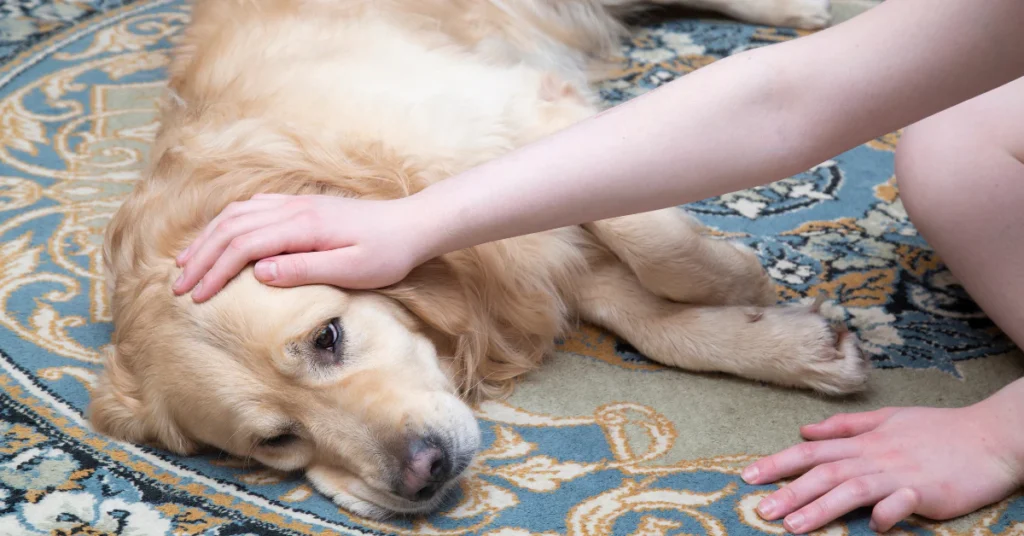
Xylitol isn’t dangerous to humans or cats, but dogs process it very differently. Their bodies mistake it for real sugar. This tricks the pancreas into releasing a flood of insulin, which then causes blood sugar to crash fast.
The amount of xylitol that causes harm depends on your dog’s weight. Research shows that doses above about 100 mg per kilogram of body weight (roughly 45 mg per pound) can cause low blood sugar. Doses above 500 mg per kilogram (about 227 mg per pound) raise the risk of liver failure.
What does that mean in real life? A 20-pound dog needs much less xylitol to reach a dangerous dose than an 80-pound dog. This is why small breeds are often hit harder and faster than large ones, even from the same amount of candy or gum.
Watch for these signs:
- Vomiting
- Weakness or stumbling
- Seizures
- Low energy or collapse
Symptoms can start within 15 to 30 minutes of eating something with xylitol. In some cases, they take a few hours to show up. That delay is part of what makes xylitol so risky. A dog can look fine at first and still be in danger.
This isn’t a rare or fading problem either. According to data cited by NC State College of Veterinary Medicine, calls about xylitol poisoning to the ASPCA Animal Poison Control Center have more than doubled since reports were first tracked in 2007. More products use xylitol today than ever before, so the risk to dogs keeps growing.
If your dog’s weight puts them anywhere near these thresholds, don’t wait and watch. Call your vet immediately.
Brand Check: Jet-Puffed, Marshmallow Fluff, and Cereal
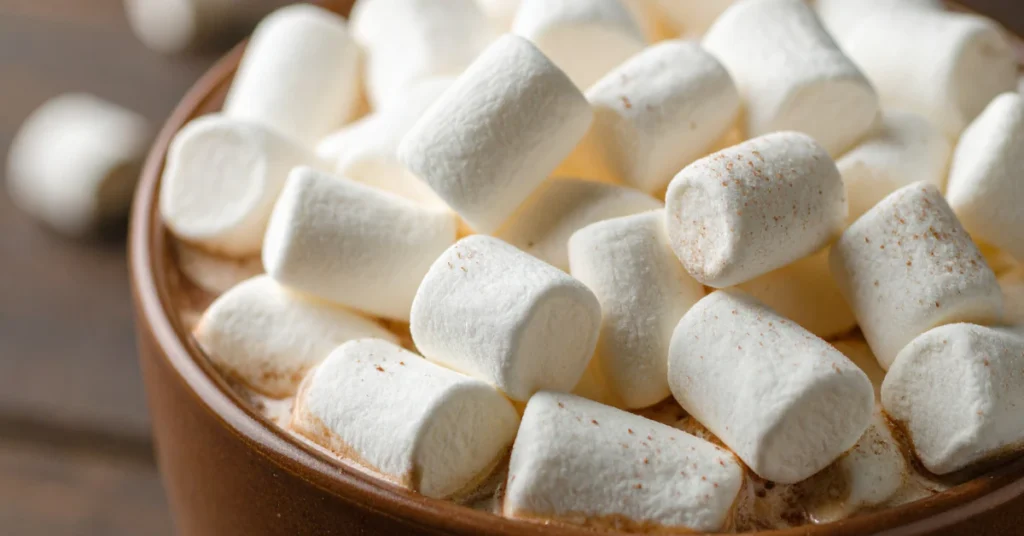
If Jet-Puffed is the bag sitting on your counter, you can breathe a little easier. Current ingredient lists for Jet-Puffed marshmallows show corn syrup, sugar, dextrose, modified cornstarch, water, a small amount of gelatin, and a few flavoring agents. No xylitol. That means a dropped marshmallow or two from this bag is not an immediate poisoning risk.
That said, “not toxic” doesn’t mean “good for your dog.” Jet-Puffed marshmallows are still mostly sugar with zero nutritional value, so they shouldn’t become a regular snack.
The same logic applies to marshmallow fluff or creme, the jarred, spreadable kind. It’s also built from sugar and corn syrup rather than xylitol. A lick off a spoon isn’t an emergency, but it’s pure empty calories, and the sticky texture can make a mess of your dog’s mouth and teeth.
What about marshmallows mixed into cereal, like the ones in Lucky Charms? These tiny bits are typically made the same basic way, with sugar and starch rather than xylitol. If your dog snuck a few pieces of spilled cereal off the floor, the marshmallow bits themselves aren’t the main worry. The bigger concern is the overall sugar content and any other ingredients in the cereal that aren’t meant for dogs.
Always check the label if you’re ever unsure, especially with newer or diet-focused products. Formulas can change, and the word “sugar-free” on anything is your cue to stop and read closely before sharing.
The Campfire Hazard: S’mores and Graham Crackers
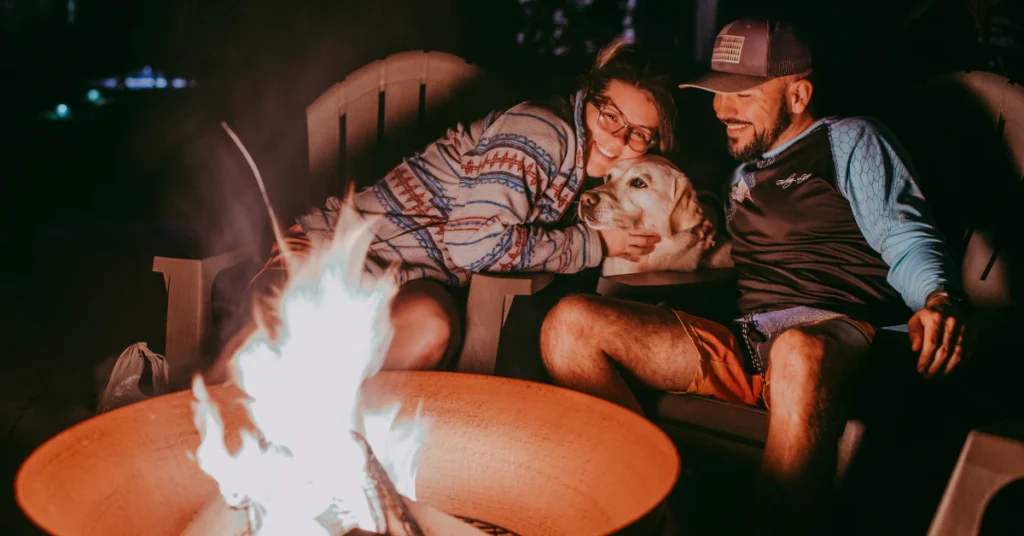
Camping trips and backyard bonfires often mean s’mores, and dogs are usually right there hoping for a bite. So can dogs have marshmallows and graham crackers together? The marshmallow and the cracker aren’t the main problem here.
Graham crackers aren’t toxic to dogs. They’re just carb-heavy and offer no real nutritional benefit, so a small piece now and then isn’t an emergency, but they shouldn’t replace actual dog treats.
The real danger in a s’more is the chocolate. Chocolate contains a compound called theobromine, which dogs can’t break down the way humans can. This is a completely separate toxin from xylitol, with its own mechanism and its own risks, including an elevated heart rate, tremors, and in serious cases, seizures.
It’s easy to lump chocolate and xylitol together since both show up in warnings about dog-safe treats, but they don’t work the same way in a dog’s body and they don’t come from the same ingredient. Keep that distinction in mind next time your dog is eyeing your s’more. The marshmallow and cracker are a minor issue. The chocolate square is the one to keep out of reach.
What to Do If Your Dog Ate Marshmallows (And What the Vet Will Do)
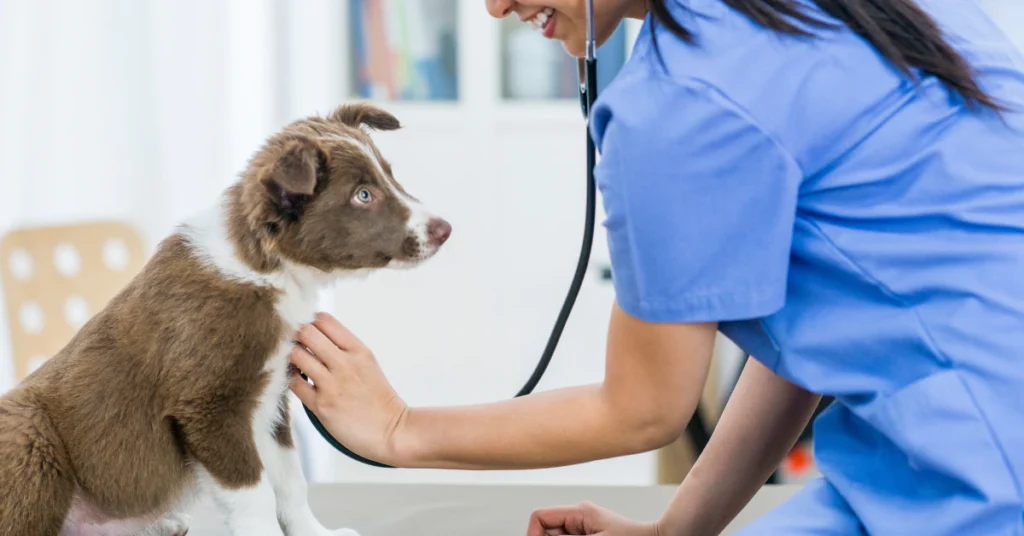
If you know your dog ate a sugar-free marshmallow, or you’re not sure which kind it was, don’t wait around. Call your vet or an animal poison control hotline right away. Early action makes a real difference with xylitol.
A quick reminder: the steps below describe what veterinary professionals typically do. They are not instructions for treating your dog at home. Always let a vet guide actual treatment.
One common home remedy will not help here. Many people assume activated charcoal, the go-to treatment for a lot of poisonings, will soak up the xylitol. It won’t. Studies show activated charcoal only binds about 8 to 23% of xylitol, which isn’t nearly enough to matter. So skip it. It’s not part of how vets treat this.
Here’s what actually happens at the clinic:
- If it’s caught early, the vet may induce vomiting to clear out as much xylitol as possible before it’s absorbed.
- IV dextrose is given to correct or prevent low blood sugar, since that’s the most immediate threat.
- Blood work and liver monitoring often continue for 24 hours or more, since hypoglycemia can last that long and liver issues don’t always show up right away.
This last point matters more than most owners realize. According to Dr. Carly Fox of New York City’s Animal Medical Center, xylitol “has also been shown to be toxic to the liver, even days after ingestion.” That’s why a vet may recommend monitoring even after your dog seems to be back to normal.
The bottom line: this isn’t something to manage with home remedies or a wait-and-see approach. A vet visit, and often an overnight stay, gives your dog the best chance at a full recovery.
The Vet Trick: Using Marshmallows as a “Pill Pocket”
Plain marshmallows actually have one practical use beyond snacking. Some vets suggest using a xylitol-free marshmallow to help dogs swallow pills. The sticky, soft texture wraps around a pill and hides it well, which makes it a go-to option for dogs who are experts at spitting out medication.
If you’re wondering whether dogs can have marshmallows as a treat more generally, the answer is a cautious yes, in very small amounts and not often. Treats of any kind, marshmallows included, should make up no more than about 10% of your dog’s total daily calories. The rest should come from a balanced dog food that actually meets their nutritional needs.
Here’s a quick way to picture the risk levels:
| Treat Type | Risk Level | Notes |
| Regular marshmallow (sugar-based) | Low | Not toxic, but no nutrition. Fine in rare, small amounts. |
| Sugar-free marshmallow (xylitol) | Severe | Can cause seizures and liver damage. Call a vet immediately. |
| Dog-safe treats | Safest | Made for a dog’s diet and nutritional needs. |
When in doubt, stick to treats made specifically for dogs. They’re formulated for canine health, not human taste buds.
Frequently Asked Questions
Are Jet-Puffed marshmallows OK for dogs?
Yes, based on their current ingredients. Jet-Puffed marshmallows don’t contain xylitol, so they’re not toxic. They’re still high in sugar with no nutritional value, so keep any amount small and rare.
What foods are toxic to dogs?
For the topics covered here, the three biggest ones to know are xylitol (found in some sugar-free products), chocolate, and grapes or raisins. Each works differently in a dog’s body, but all three can cause serious harm.
Do all marshmallows have xylitol?
No. Most regular marshmallows, including major grocery store brands, use sugar and corn syrup instead. Xylitol mainly shows up in marshmallows labeled sugar-free, keto, or diabetic-friendly. Always check the label if you’re not sure.
Can a dog eat one marshmallow?
If it’s a regular marshmallow, most healthy adult dogs will be fine. It’s not something to make a habit of, but one marshmallow usually isn’t an emergency. If there’s any chance it contained xylitol, treat it seriously and call your vet, even for just one.
Do M&M’s contain xylitol?
No. Standard M&M’s don’t list xylitol as an ingredient. The real risk with M&M’s is the chocolate itself, which contains theobromine, a toxin dogs can’t process well. That’s a separate danger from xylitol entirely.
Does all peanut butter have xylitol?
No, and most popular grocery store brands don’t use it at all. However, a few specific brands have been known to contain xylitol, including Go Nuts Co., Nuts ‘N More, and P28. It’s worth reading the label every time, even on a brand you’ve used before, since recipes can change without warning.
Can I give my dog one Haribo gummy bear?
Regular Haribo Goldbears are made with glucose syrup, sugar, and gelatin, not xylitol, so one shouldn’t cause harm. The real caution flag is any sugar-free or no-added-sugar version of the candy, from Haribo or any other brand, since those are far more likely to contain xylitol or similar sweeteners.
What will the vet do if my dog ate xylitol?
Treatment usually starts with inducing vomiting if it’s caught early enough, followed by IV dextrose to manage blood sugar. Vets also monitor liver enzymes closely, sometimes for 24 hours or more, since both low blood sugar and liver issues can take time to fully show up. This isn’t something to handle at home, so a vet visit is the right call anytime xylitol is involved.
Conclusion
Regular marshmallows aren’t a crisis if your dog grabs one off the counter. They’re just sugar with no real nutrition, so keep them rare and small. The real danger is xylitol, and it only takes checking a label to know which side of that line you’re on. When in doubt, skip the marshmallow and reach for a treat made for dogs instead. And if xylitol is ever a possibility, don’t wait it out at home. Call your vet right away.