A cat pooping outside the litter box is rarely about spite. Vets call this “house-soiling,” and it usually points to one of three things: a litter box problem (dirty, wrong size, bad spot), a stress trigger (a move, a new pet, loud noise), or an underlying health issue (pain, constipation, disease). The fix depends on the cause.
This article is for general information only. It is not a substitute for professional veterinary advice, diagnosis, or treatment.
Emergency warning: If a male cat is straining in the litter box and passing little or no urine, this can be a life-threatening blockage. Get emergency vet care right away.
The Stakes of House-Soiling: Why You Shouldn’t Wait
Your cat is not doing this to get back at you. Veterinary behavior experts have actually dropped the old term “inappropriate elimination” in favor of “house-soiling,” because the old name made it sound like the cat was misbehaving. It isn’t. A cat who poops outside the box is almost always telling you something is wrong, whether that’s pain, stress, or a litter box that doesn’t work for them.
This matters more than most owners realize. Veterinary guidelines note that house-soiling is one of the top reasons cats get surrendered to shelters, where many are euthanized simply because no one figured out the cause in time. Yet only about 31.7% of cats with this problem are ever actually brought to a vet to find out why.
That gap is the real risk here. Trying a few fixes at home is a reasonable first step. But if the problem keeps going, don’t wait it out for months. A vet visit early on can save your cat’s life, and your sanity.
Why Poop but Not Pee? The Mechanics of Defecation
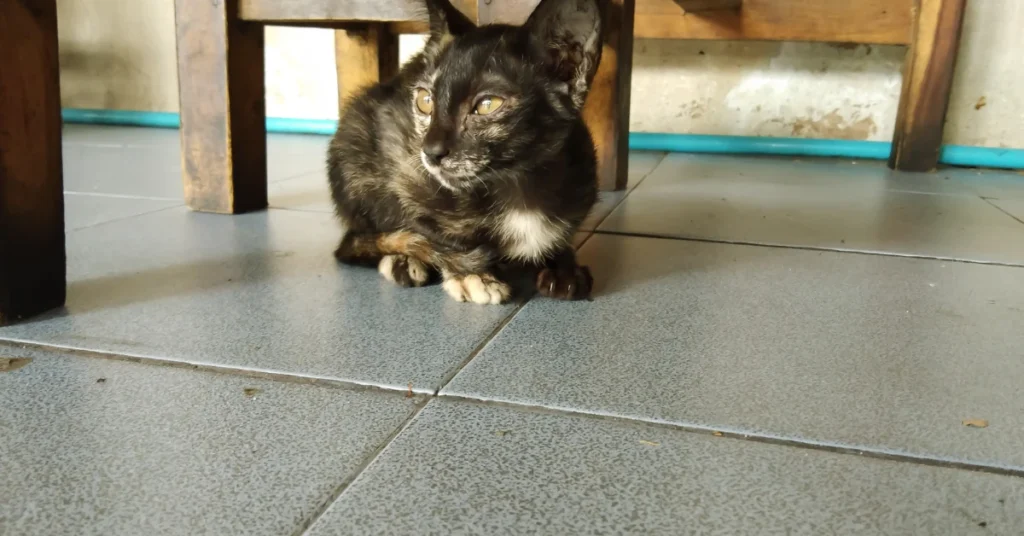
If your cat pees in the box like a champ but poops right next to it, you are not imagining a pattern. This is one of the most common and confusing complaints from cat owners, and there is a real physical reason behind it.
Peeing and pooping are not the same motion for a cat. To urinate, a cat squats briefly and is done in seconds. To defecate, a cat has to hold a deeper squat, balance on the litter for longer, and often shift position once or twice before finishing. That is a much bigger physical ask.
This is why problems that barely affect peeing can completely block pooping. A few examples:
- Arthritis or joint pain makes it hard to hold a squat for as long as pooping requires. Peeing is quick enough to push through; pooping isn’t.
- Extra weight changes balance and makes a deep squat harder to sustain in a small box.
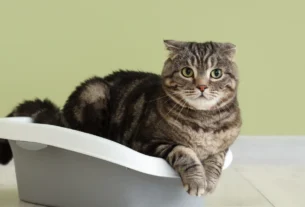
- A cramped or covered box doesn’t give a larger cat enough room to turn, position, and hold still long enough to finish.
In cats dealing with any of these, you’ll often see a strange but telling pattern: they start in the box, then step out partway through, or skip the box completely once they sense discomfort coming.
So if your cat is pooping outside the litter box but peeing inside it, don’t assume it’s a litter preference issue. Look first at whether your cat seems stiff, overweight, or is struggling to get comfortable in the box itself. That clue often points straight to the cause.
Medical Red Flags: When It’s Time for the Vet
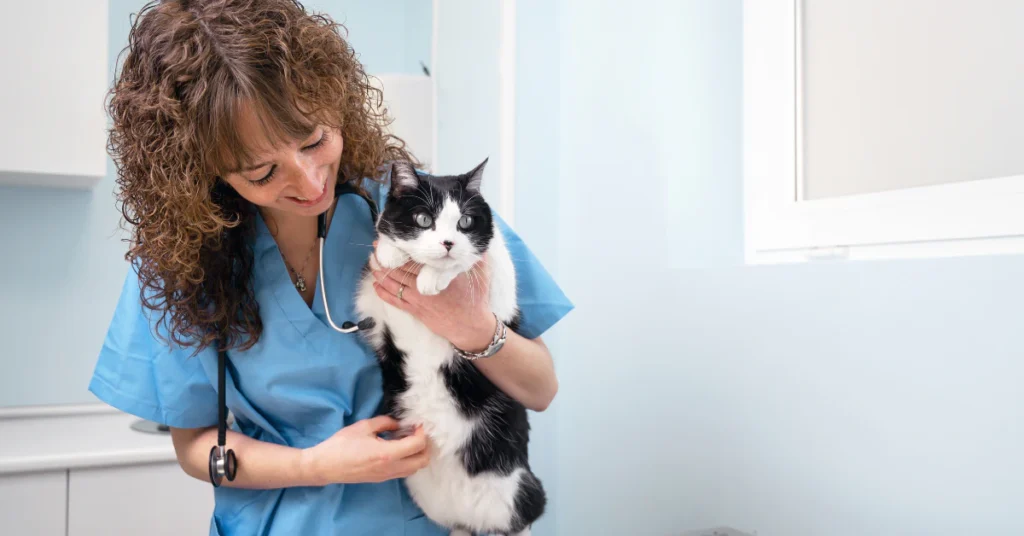
Not every case of house-soiling needs an emergency visit, but some patterns are your cat’s way of raising a hand for help. Knowing the difference can save you a lot of worry, and sometimes your cat’s life.
A sudden change is one of the biggest clues. If a cat who has used the litter box perfectly for years suddenly stops, that is far more likely to be medical than a cat who has always been a little picky about litter type.
Vomiting alongside house-soiling is another signal worth taking seriously. Hyperthyroidism, which is common in older cats, often causes vomiting, diarrhea, and weight loss alongside changes in litter box habits. Digestive issues can cause the same combination.
A few specific conditions show up again and again in cats with litter box trouble:
- Osteoarthritis makes it painful to step over a high box lip or hold a squat, especially in older cats.
- Chronic kidney disease increases how often and how urgently a cat needs to go, which can lead to accidents.
- Constipation and megacolon are common in cats, and this problem shows up most often in middle-aged male cats.
- Cognitive dysfunction, the feline version of dementia, can cause a senior cat to simply forget where the litter box is. According to the Cornell Feline Health Center, signs usually become noticeable around age 10 and up.
Use this table to help sort out what you are seeing:
| Medical Red Flags | Behavioral or Environmental Signs |
| Sudden change after years of normal use | Gradual change or a known trigger (move, new pet) |
| Vomiting, diarrhea, or weight loss | Cat seems otherwise completely normal |
| Straining, crying, or blood in stool or urine | No pain signs, just avoiding a specific spot |
| Senior cat (10+) with confusion or forgetting the box | Younger cat with a clear litter or location preference |
| Accidents happening more and more often | One-off accidents during a stressful event |
If your cat’s symptoms line up with the left column, it is time to call the vet rather than wait and watch.
Environmental Stressors (It’s Not Spite)
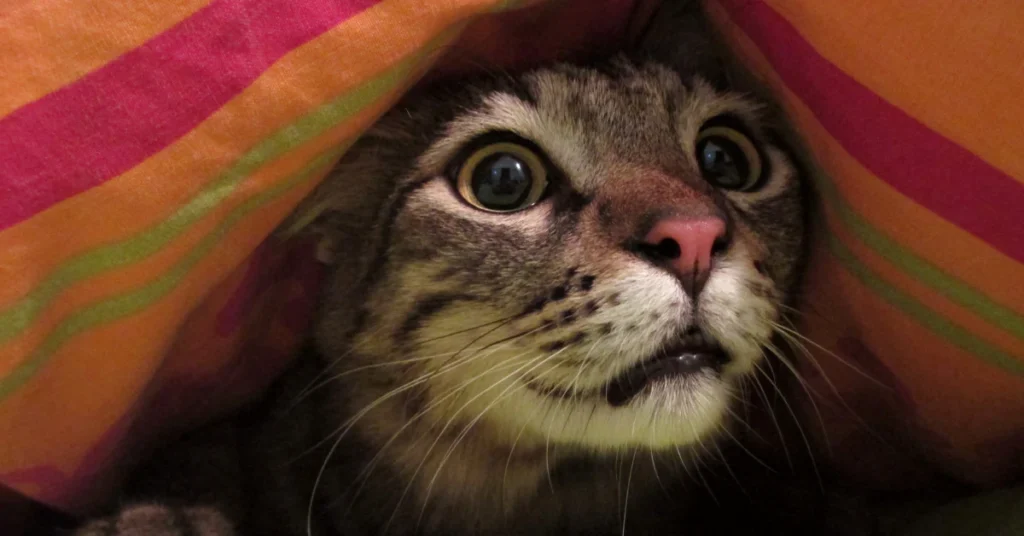
What looks random to you often makes complete sense to your cat. Cats are extremely tuned in to their surroundings, and a change you barely notice can feel like a major disruption to them.
Loud, ongoing noise is a trigger owners miss all the time. Roof repairs, construction next door, thunderstorms, or fireworks can push a cat into a stress response that includes crouching low to the ground, vomiting, or pooping outside the litter box. Because this tends to start suddenly, owners often assume their cat is sick. In many cases, the cat is simply overwhelmed and has nowhere to escape the sound. Once the noise stops, normal litter box habits usually come back on their own.
This is also why a cat pooping outside the litter box after moving is so common. A new home means new smells, new sounds, and a litter box that is no longer in its familiar spot. Cats build a strong sense of territory around scent, so a move can temporarily erase all of that. Give your cat time, keep their same litter box and litter type, and place the box somewhere quiet while they adjust.
If your cat’s accidents seem to happen with no pattern at all, it is worth thinking back over the past few weeks. A cat pooping outside the litter box randomly is rarely truly random. Common hidden triggers include:
- A new pet or visitor in the home
- Rearranged furniture or a remodeled room
- A new baby or houseguest
- Changes in your work schedule or routine
- Conflict with another cat in the house
Ongoing stress does not just affect behavior. It can also contribute to a painful bladder condition called feline idiopathic cystitis, which is closely linked to household stress and can cause a cat to avoid the litter box altogether.
The fix here is not punishment or more cleaning supplies. It is identifying what changed, giving your cat time to adjust, and keeping their routine as steady as possible while things settle down.
Litter Box Optimization: The AAFP “Gold Standard”
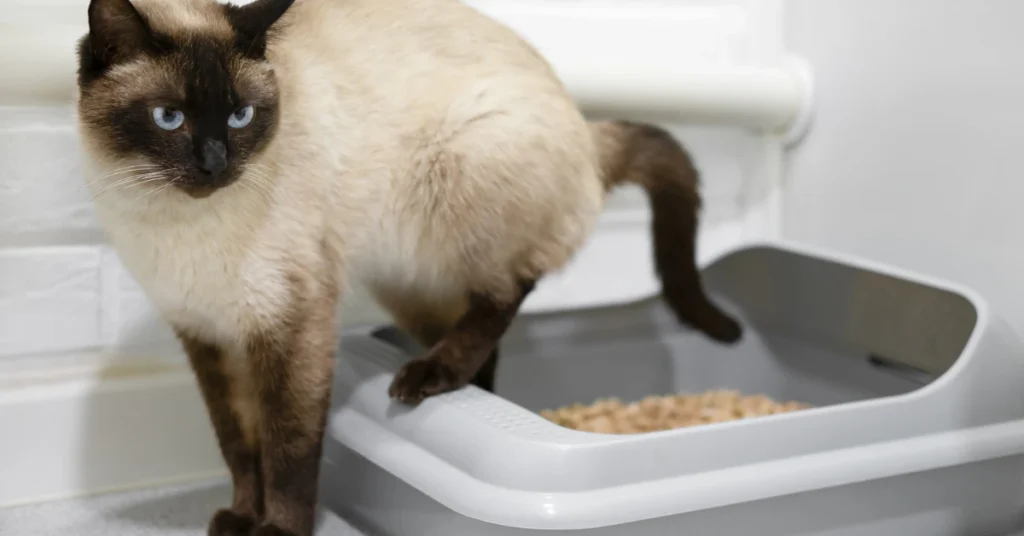
Sometimes the mystery is simpler than it looks. A cat pooping outside the litter box but acting normal in every other way often just has a setup that does not work for them. Before you worry about stress or illness, it is worth auditing the box itself against what vets actually recommend.
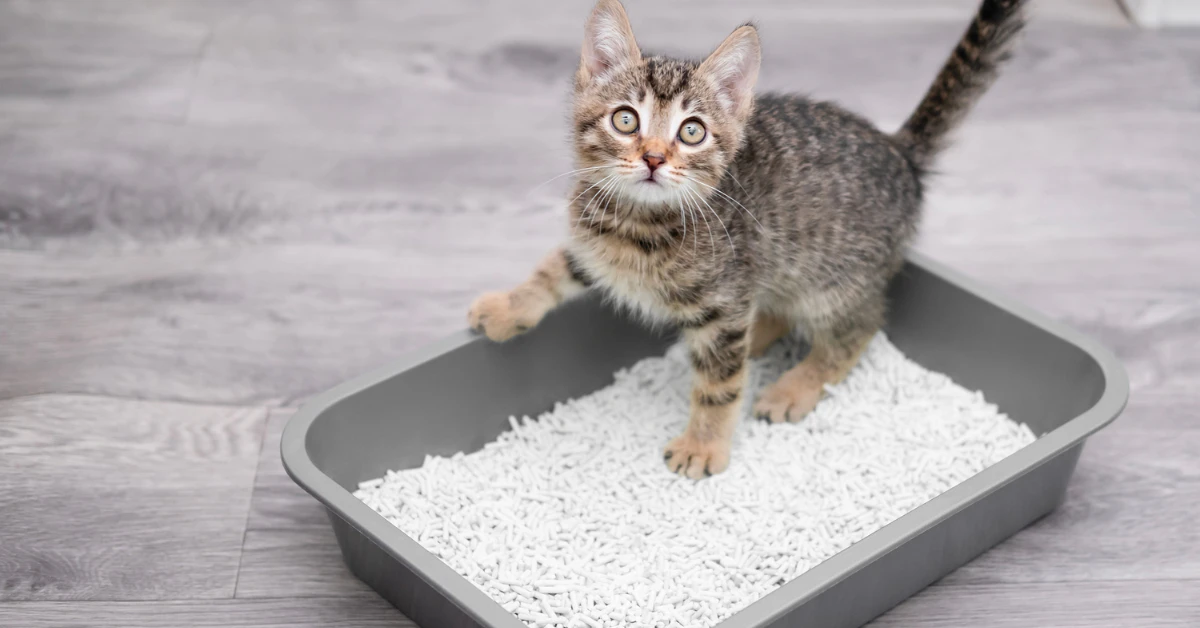
Size matters more than most owners think. Veterinary guidelines from the AAFP and ISFM recommend a litter box at least 1.5 times the length of your cat, measured from nose to the base of the tail. Most standard store-bought boxes are built for an average-sized kitten, not a full-grown adult cat. If your cat looks cramped when they turn around in the box, it is too small. A bigger box gives them room to dig, turn, and find a comfortable spot to go.
Follow the N+1 rule. This means one litter box per cat in the household, plus one extra. So a single cat should have two boxes, and two cats should have three. This is not just a nice-to-have. In multi-cat homes, a confident cat can “guard” a single box without ever showing obvious aggression, quietly blocking a shyer cat from using it. Extra boxes placed in different spots remove that competition entirely.
Think twice about automatic or self-cleaning litter boxes. They sound convenient, but the sudden whir, movement, or raking motion can genuinely startle a cat, especially mid-use. One bad scare during a vulnerable moment like defecating is sometimes all it takes for a cat to decide that box is unsafe. If your cat avoids the box right after you switch to a self-cleaning model, that timing is not a coincidence.
Here is a quick self-check:
- Is the box at least 1.5 times your cat’s body length?
- Do you have one box per cat, plus one extra?
- Is the box in a quiet spot, away from loud appliances or high foot traffic?
- Does your cat hesitate, rush in and out, or avoid the box since you introduced an automatic model?
If you can check off most of these and your cat is still skipping the box, it is worth looking at cleaning routine and litter type next, since those matter just as much as the box itself.
Breaking the Habit: Safe Cleaning & Deterrents
A cat pooping outside the litter box in the same spot every time is not being stubborn. That exact location now carries a scent your cat recognizes, and scent is a powerful invitation to go there again.
Clean it the right way. Regular soap will not fully remove the trace proteins left behind in urine and feces. You need an enzymatic cleaner, which is built to break those proteins down completely so the scent trail actually disappears. Just as important: never use ammonia or bleach on the spot. Both can leave a smell that is chemically close to urine, which can actually draw your cat right back to the area instead of repelling them.
Skip the citrus peel trick. You may have seen advice to scatter orange or lemon peels, or dab citrus essential oil, around the problem spot. Cats do tend to dislike the smell, but citrus contains compounds called limonene and psoralens that cats cannot safely process, since their bodies lack the liver enzymes needed to break them down. This makes citrus peels and oils a toxic option, not a safe one. The same goes for essential oils in general. Steer clear of both.
Use physical barriers instead. Aluminum foil, an upside-down carpet runner, or a sheet of plastic over the spot works well, because cats dislike the texture underfoot. Leave it in place for at least six weeks of consistent litter box use before removing it, so the old habit has real time to break.
One last rule matters more than any product: never punish your cat for an accident. Scolding, yelling, or carrying them to the box after the fact does not teach them anything useful. It just adds more stress, which can make the whole problem worse.
Frequently Asked Questions
Why does my cat finish pooping outside the litter box?
This usually comes down to posture. Pooping requires a longer, deeper squat than peeing, and arthritis, extra weight, or a cramped box can make it hard for your cat to hold that position long enough to finish. Watch for a cat that starts in the box but steps out partway through.
Why is my cat pooping on the floor even with a clean litter box?
If hygiene is already ruled out, the cause usually shifts toward box size or location, stress, or an underlying medical issue. A clean box eliminates the most common reason, which means it is worth looking more closely at the setup and your cat’s overall health.
What does stress poop look like in cats?
There is no specific look to stress-related stool. What matters more is the pattern: house-soiling that lines up with a recent change, like a move or loud noise, and shows up alongside other stress signs such as hiding or a drop in appetite.
How do I stop my cat from defecating outside the litter box?
Start with the basics: a box at least 1.5 times your cat’s length, one box per cat plus one extra, and daily cleaning with an enzymatic cleaner. Avoid punishment. If the problem continues after these fixes, see a vet to rule out a medical cause.
Should I be worried if my cat poops outside the litter box?
It deserves attention, especially if it is new or ongoing. Only about 31.7% of cats with this issue are ever evaluated by a vet, yet untreated house-soiling is a leading reason cats end up surrendered to shelters. A vet visit is the safest next step for any new or persistent pattern.
What smell stops cats from pooping?
Cats tend to dislike citrus, but citrus peels and oils contain compounds that are toxic to cats, since their bodies cannot safely break them down. This makes citrus a risky choice rather than a safe deterrent.
What repels cats from pooping in the house?
The safest approach is cleaning soiled spots with an enzymatic cleaner and covering the area with a physical barrier, like foil or an upside-down carpet runner, for at least six weeks.
What smell do cats absolutely hate?
Citrus is one scent cats commonly avoid, but it comes with the toxicity risk noted above. There is not enough verified evidence to confidently recommend other common “cats hate this” smells, so it is best to stick with safe, physical deterrents instead.
What kills the smell of cat feces?
An enzymatic cleaner is the most effective and safe option, since it breaks down the proteins causing the odor. Avoid bleach and ammonia, as both can leave behind a smell that draws your cat right back.
Conclusion
A cat pooping outside the litter box is frustrating, but it is almost never personal. Most of the time, the cause comes down to the box itself, a stressful change at home, or a health issue that needs a vet’s attention. Start with a simple audit of the litter box setup, watch for patterns like sudden onset or vomiting, and do not wait too long to call the vet if home fixes do not work. Acting early gives your cat the best chance at a quick, comfortable fix, and gives you your floors back.