Shopping for a litter box sounds simple until you actually try to do it. There are covered boxes, self-cleaning robots, corner boxes, stainless steel pans, and a hundred five-star reviews all disagreeing with each other. It is easy to end up more confused than when you started.
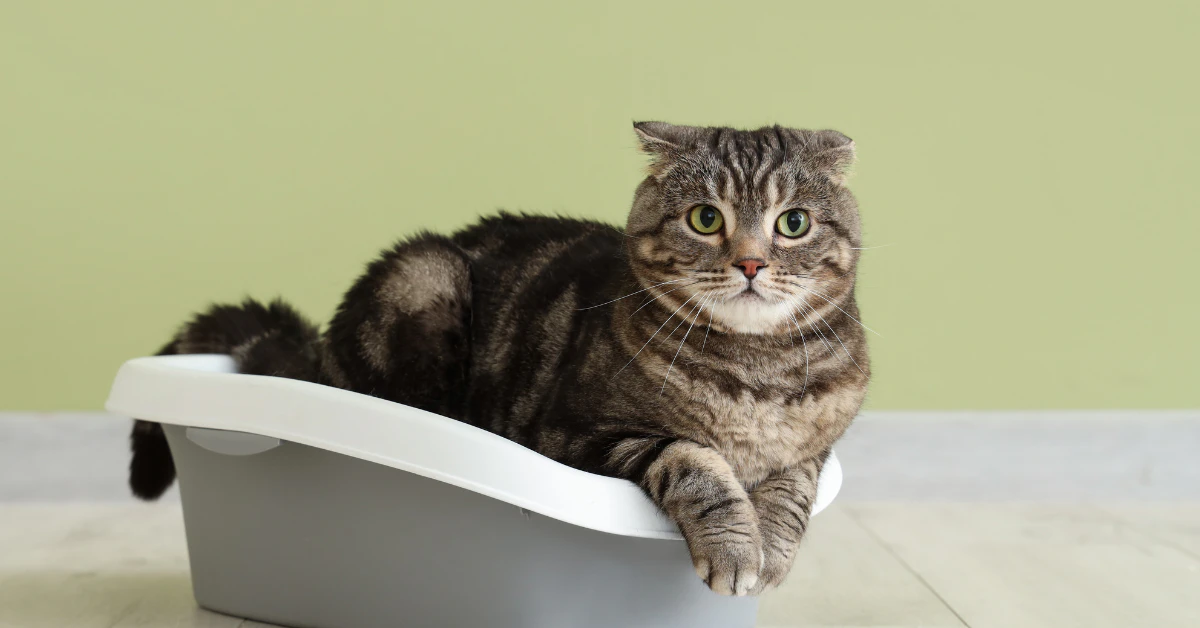
the right box depends on your cat’s size, your home setup, and how many cats you have. But the one rule vets actually agree on is size. Your cat’s litter box should be at least 1.5 times their body length, from nose to tail. Most boxes sold in stores do not meet that standard.
In this guide, we will walk through what actually matters when choosing a box, including a safety issue with some automatic litter boxes that most buying guides skip entirely.
The Only Sizing Rule That Matters (According to Vets)
Forget the label on the box. Words like “jumbo” or “extra-large” are marketing terms, not measurements. There is only one sizing rule that actually comes from veterinary guidelines, and it is simple.
According to the AAHA/AAFP Feline Life Stage Guidelines, a litter box should be at least 1.5 times the length of your cat, measured from the tip of the nose to the base of the tail. That extra room lets your cat turn around, dig, and position themselves comfortably without stepping outside the box.
Here is the part most owners do not expect. The guidelines themselves point out that most manufactured litter boxes are not big enough for an average adult cat. Even boxes labeled as large or extra-large often fall short of this standard once you actually measure your cat.
So what do you do if the pet store shelf cannot give you what your cat needs? Vets have a simple workaround. Instead of buying a box marketed for cats, use a large plastic storage bin or a mixing tub, the kind you would find in the storage aisle of any hardware or home goods store. These containers are cheap, deep, and almost always bigger than anything sold as a “cat litter box.”
A quick way to check your own setup: measure your cat from nose to tail base, multiply that number by 1.5, and compare it to the inside length of your current box. If your cat’s box comes up short, it may be part of the reason for scattered litter, accidents near the edge, or a cat who seems reluctant to use the box at all.
Size is not a small detail. It is the single biggest factor vets point to before anything else.
Material Matters: Plastic vs. Stainless Steel for Odor Control
If you have ever scrubbed a litter box top to bottom and still caught a whiff of ammonia an hour later, the problem might not be your cleaning routine. It could be the box itself.
Plastic is a porous material. That means it has tiny gaps and pores that liquid and odor can seep into, even when the surface looks smooth and clean. Every time your cat digs or you scoop with a metal scoop, you add small scratches to that surface. Over months of daily use, those scratches build up. Each one becomes a tiny trap where bacteria and urine residue can hide, well below what a sponge or paper towel can reach.
This is why an older plastic box, one that has been through a lot of digging and scooping, often smells stale no matter how often you wash it. The odor is not sitting on top of the plastic anymore. It has worked its way into the material.
Stainless steel works differently. It is non-porous, so there is nowhere for waste or bacteria to hide below the surface. This is the same reason stainless steel shows up in hospitals and commercial kitchens, environments where hygiene really matters. A smooth steel surface wipes clean and stays clean, since there is no microscopic texture for anything to cling to.
Steel also resists the kind of scratching that ruins plastic over time. A cat’s claws or a hard-edged scoop can leave a plastic box permanently marked within a year or two of regular use. Steel holds up far longer without developing those same problem spots.
None of this means plastic boxes are unsafe or that steel is required for every home. Scooping daily and washing regularly still matters no matter what material you choose. But if odor control is your main frustration and you are deciding between a plastic or metal cat litter box, stainless steel has a real, physical advantage. It simply does not give odor anywhere to settle in.
For owners chasing the best cat litter box for odor control, especially in small apartments or multi-cat homes, a stainless steel litter box for cats is often the upgrade that finally solves a smell problem that scrubbing alone never could.
Solving the Multi-Cat Puzzle: Placement and the N+1 Rule

Multi-cat homes come with their own litter box math, and getting it wrong is one of the most common reasons cats stop using the box altogether.
The rule vets and behaviorists point to is called the N+1 rule. It means you take the number of cats in your home and add one extra box. One cat needs two boxes. Two cats need three. Three cats need four, and so on. The goal is to make sure no cat ever feels like they have to compete, wait, or share a single toilet with a housemate they may not fully get along with.
Here is where a lot of well-meaning owners go wrong. They follow the math, buy the right number of boxes, and then line them all up in one bathroom or tuck them side by side inside a closet. It feels efficient. It also defeats the entire point.
Veterinary behavior guidance is clear on this. Cats do not see four boxes sitting next to each other as four separate options. They see one shared resource. If a more confident cat guards that spot, or simply naps nearby, every other cat in the house may avoid the whole area, even though there are technically “enough” boxes.
The fix is spacing, not just quantity. Spread boxes across different rooms or different areas of your home, not just different corners of the same room. In a multi-story house, that usually means putting at least one box on each floor, so no cat has to cross the whole home or pass another cat’s territory just to go to the bathroom.
A simple way to picture the goal:
- 1 cat: 2 boxes, in 2 different locations
- 2 cats: 3 boxes, spread across at least 2 to 3 locations
- 3 cats: 4 boxes, spread across multiple rooms or floors
Each box should also sit in a quiet, low-traffic spot with an easy escape route, away from food, water, and noisy appliances. A cat needs to feel safe going in and safe getting back out.
If you have followed the N+1 rule and still see one cat guarding the litter area, blocking another cat’s access, or accidents happening outside the box, spacing is often the missing piece, not the number of boxes itself.
The Dark Side of Automation: Safety Risks in Self-Cleaning Boxes
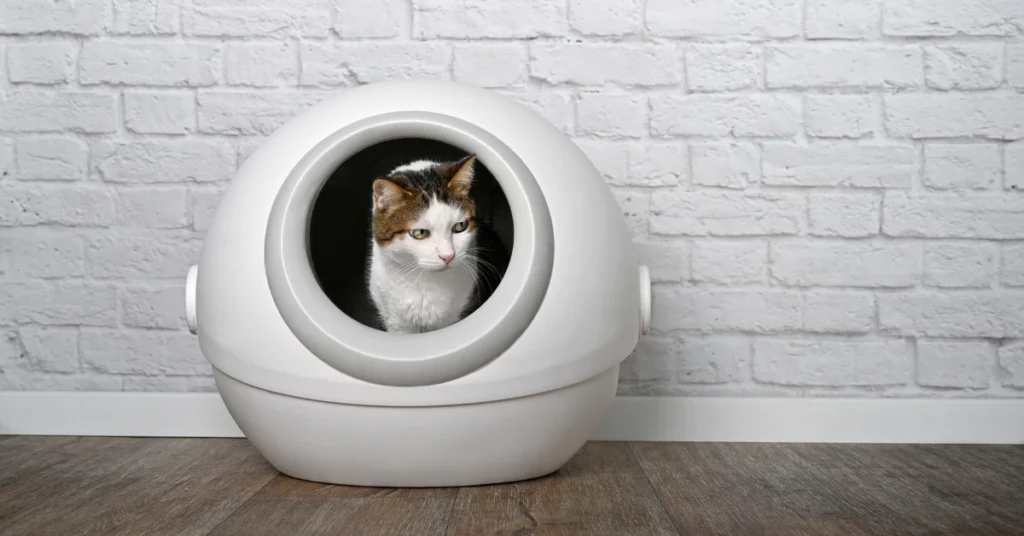
Self-cleaning litter boxes promise to take scooping off your daily to-do list, and for a lot of owners, they deliver exactly that. But before you buy one, there is a safety issue worth understanding, not to scare you, but so you can shop smart.
Over the past couple of years, a handful of reports have raised real concerns about cheap, off-brand automatic litter boxes. In one widely shared case, a cat named Mochi reportedly died after getting trapped in an off-brand box sold under the name Amztoy on Amazon. Her owner said the machine’s rotating mechanism began its cleaning cycle while Mochi was still inside. A separate incident, reported out of New York City involving a product called the Autoscooper 11, allegedly led to a cat being crushed and a $3 million lawsuit against the manufacturer.
These are reported, alleged incidents, not confirmed by court rulings covered here. But the pattern behind them is worth paying attention to.
According to pet health experts who have looked into this issue, the danger is not automatic litter boxes as a category. It is a specific design flaw. Veterinarian Dr. Jessica Thompson has noted that any mechanized product carries some risk of malfunction, and that owners should carefully review the safety features of any automatic product before bringing it home. Certified cat behavior consultant Joey Lusvardi has pointed out a similar theme: problems tend to show up in cheaper, lesser-known products where corners may have been cut.
The common failure mode in the reported cases involves boxes with a single sensor and a rotating or closing entry. If that one sensor fails or does not detect the cat properly, there is nothing else stopping the mechanism from cycling, and the closing entry can physically trap the cat inside.
Established brands, including Whisker, generally take a different engineering approach. Their automatic boxes tend to use an open-entry design that does not close during the cleaning cycle, combined with more than one sensor working together. If one sensor misses something, the other is still there as a backup. The entry stays open the whole time, so there is no closing gap for a cat to get caught in.
So if you are searching for the best affordable automatic cat litter box, the smart move is to look past price alone. Before buying any self-cleaning cat litter box, check whether it uses more than one sensor and whether the entry point stays open during the entire cleaning cycle. If a listing cannot clearly answer either question, or if the brand is unfamiliar with no safety information published, that is worth treating as a red flag.
Affordable and safe are not opposites. But when it comes to a machine your cat will be inside of every day, mechanical safety features are not the place to shop for the lowest price.
Kitten Safety Warning: The Weight Sensor Blind Spot
Bringing home a new kitten and want to skip the scooping right away? Hold off on turning on that automatic litter box just yet.
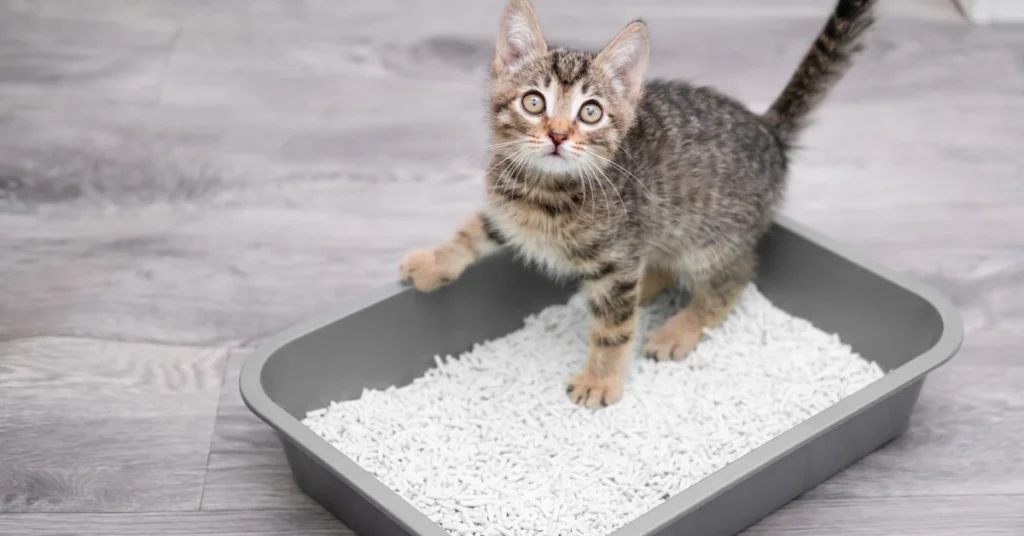
Most self-cleaning litter boxes rely on a weight sensor to know when a cat has entered or left the box. That sensor is what tells the machine it is safe to start the cleaning cycle. The problem is that very young kittens, generally those under about 3 pounds, which usually means kittens younger than 8 to 12 weeks old, may not weigh enough to reliably trigger that sensor.
In practical terms, this means the machine may not “know” your kitten is still inside. The cleaning cycle could start while the kitten is sitting right there, which is exactly the kind of situation these sensors are designed to prevent in the first place.
This is not a flaw limited to cheap or off-brand boxes. Even a well-made automatic box depends on the cat weighing enough to register on the sensor. A tiny kitten simply may not.
The safest approach is simple. If you have a kitten, keep any automatic litter box turned off and use it exactly like a regular, manual box for now. Let your kitten grow and reach the weight threshold listed by the manufacturer before switching on the self-cleaning function.
There is no need to rush this. A few extra weeks of manual scooping is a small trade-off for keeping a curious, lightweight kitten completely out of harm’s way.
Litter Compatibility: The Hidden Dealbreaker for Automatic Boxes
Here is something most product listings do not make obvious. When you buy an automatic litter box, you are not just choosing a machine. You are also choosing your litter, whether you realize it or not.
Automatic and self-cleaning litter boxes work by raking, sifting, or separating clumps from clean litter. That mechanism only works if the litter clumps in a specific, predictable way. Most of these machines are built and tested for clumping clay or mineral-based litter. That is the standard they are designed around.
This becomes a real problem if you switch to some of the newer litter types that have grown popular in recent years, like tofu litter or crystal and silica litter. These litters behave very differently from clumping clay. Tofu litter often breaks apart in ways the rakes are not built to handle, and crystal litter does not clump at all in the traditional sense. Both can jam the sifting mechanism, cause incomplete cleaning cycles, or leave waste sitting in the box instead of being separated out.
The result is usually frustration, not damage. Owners end up with a machine that is not cleaning properly, waste that lingers longer than expected, and sometimes an error message they cannot explain.
The fix is simple and worth checking before you ever open the bag. Look at the manufacturer’s specifications for your automatic box and stick to the litter type it lists, usually clumping clay or a compatible mineral litter. If you are set on using tofu or crystal litter, a standard manual box will give you far more flexibility, since it has no mechanism to jam in the first place.
Matching the best litter for cats to your box is not just about preference. With an automatic system, it is about making sure the hardware you paid for actually works the way it is supposed to.
When to Call the Vet (Medical vs. Behavioral Avoidance)
Sometimes the box is not the problem at all.
If your cat has used the same litter box just fine for months or years and suddenly starts avoiding it, it is easy to assume they have simply gotten picky. Often, though, the real cause is medical, not a change in taste.
Conditions like urinary tract infections, feline interstitial cystitis, or arthritis can all make using the litter box physically painful. A cat with a UTI may associate the pain of urinating with the box itself, so they start avoiding it entirely, even after the underlying issue is treated. A cat with arthritis may find it hard or uncomfortable to climb over high sides, especially in an older box that once felt easy to use.
This is why sudden litter box avoidance should never be treated as a simple training or preference problem right away. Before you swap litter brands, move the box, or buy a new one entirely, it is worth ruling out pain as the real cause.
This guide is not a substitute for veterinary advice. If your cat suddenly stops using the litter box, strains to urinate, or has blood in their urine, contact your vet promptly to rule out a medical emergency before changing their setup.
Once any underlying medical issue has been ruled out or treated, then it makes sense to look at the box itself, its size, location, cleanliness, or type, as the next step.
Frequently Asked Questions (FAQs)
What type of litter box is best for a cat?
The best box is one that is at least 1.5 times your cat’s length, from nose to tail base, based on veterinary guidelines. An open, uncovered design is the generally safer default, since it allows better airflow and easier health monitoring.
What litter boxes do vets recommend?
Vets do not point to one specific brand or product. Instead, they recommend boxes that are large enough for the cat, kept scooped daily, and cleaned with hot water instead of soap or harsh chemicals. Unscented clumping litter is often preferred, especially for cats with a history of urinary problems.
Why do vets not recommend closed litter boxes?
Covered boxes can trap ammonia and odor inside, and they make it harder for owners to spot early warning signs of illness, like changes in urine or stool. In multi-cat homes, a single entry point can also let one cat block or corner another. That said, a 2013 peer-reviewed study found that when a box is kept truly clean, most cats show no strong preference between covered and uncovered. This makes open boxes a safer default choice rather than a strict rule every cat must follow.
What is the best litter box setup for my cat?
Start with a box sized at 1.5 times your cat’s length, filled with unscented clumping litter, and scooped every day. Place it in a quiet, low-traffic spot away from food, water, and loud appliances, with an easy way in and out.
Where not to put a cat litter box?
Avoid placing it near food and water bowls, since cats naturally avoid eliminating close to where they eat. Skip spots near noisy appliances like washing machines, dryers, or furnaces, which can startle a cat mid-use. Busy, high-traffic areas like entryways or hallways are also poor choices, since cats want privacy and a clear escape route.
What is the golden rule for litter boxes?
The golden rule is the N+1 rule: one litter box for every cat in the home, plus one extra. Just as important, those boxes should be spread across separate, quiet locations rather than clustered together, since cats tend to treat boxes placed right next to each other as a single shared resource.
Conclusion
Choosing the best litter box for your cat really comes down to a few clear priorities. Get the size right first, since 1.5 times your cat’s length is the standard that matters most. Match the box to your household, whether that means adding more boxes for multiple cats or switching to stainless steel for stubborn odor. And if you go the automatic route, put safety and litter compatibility ahead of price and convenience features.
Above all, remember that a sudden change in your cat’s litter box habits is often a health signal, not a preference issue. When in doubt, a quick call to your vet is always the safer first step before changing anything about the setup itself.