No. Dogs should never eat onion in any form. Raw, cooked, powdered, or dried, onion contains compounds that damage a dog’s red blood cells and can lead to a dangerous type of anemia. Even cooking the onion first does not make it safe. There is no amount that vets consider truly risk-free.
Veterinary advice disclaimer: This article is for education only and is not a substitute for professional veterinary care. If you think your dog ate onion in any form, do not wait for symptoms to show up. Call your veterinarian right away. You can also reach the ASPCA Animal Poison Control Center at (888) 426-4435 or the Pet Poison Helpline at (800) 213-6680. Both are staffed 24/7 and can walk you through what to do next based on your dog’s size and how much onion was eaten.
Keep reading to understand why onion is so dangerous, how much it actually takes to cause harm, and what signs to watch for in the days after exposure.
Why Are Onions Toxic to Dogs?
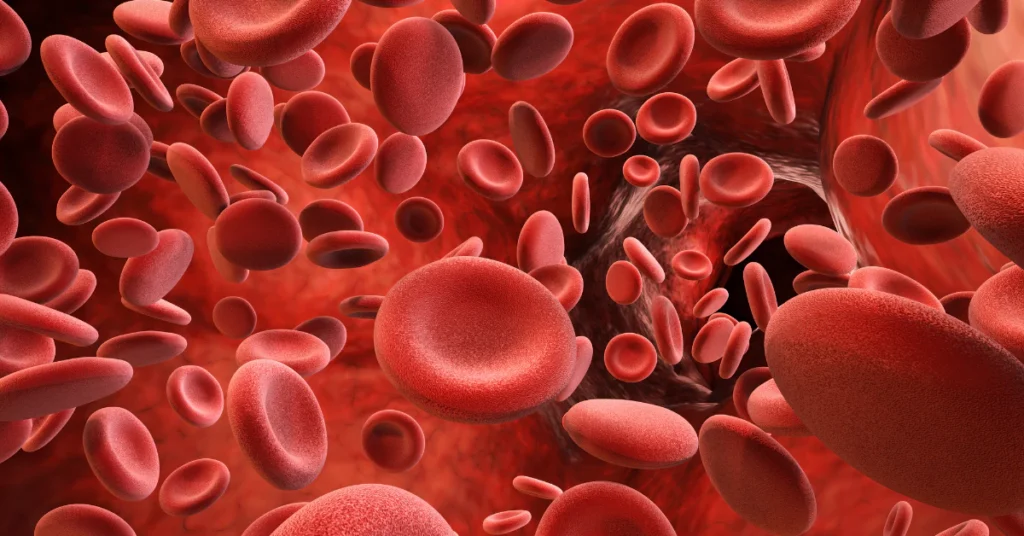
A dog’s body cannot break down certain compounds found in onion, mainly thiosulfate and a related substance called N-propyl disulfide. In people, these compounds pass through harmlessly. In dogs, they attack red blood cells.
Here’s what that actually means. Red blood cells carry oxygen around the body. When a dog eats onion, these toxic compounds damage the outer wall of each red blood cell. The cell becomes stiff and misshapen, and the body starts destroying its own damaged cells faster than it can replace them. Vets call this Heinz-body hemolytic anemia. In plain terms, it’s a drop in healthy red blood cells caused by onion poisoning.
What makes this especially tricky for owners is the timing. This damage does not happen all at once. It builds up slowly as more and more red blood cells get destroyed. Because of this, a dog can eat onion and seem totally normal for a day, two days, even longer, before any signs show up. The red blood cell count keeps falling in the background the whole time.
This is exactly why vets don’t recommend a “wait and see” approach. By the time symptoms like pale gums or weakness appear, a real amount of damage has already happened. Catching it early, before visible signs, gives your dog’s body a much better chance to recover with proper care.
Raw, Cooked, or Powdered: Are All Forms Dangerous?
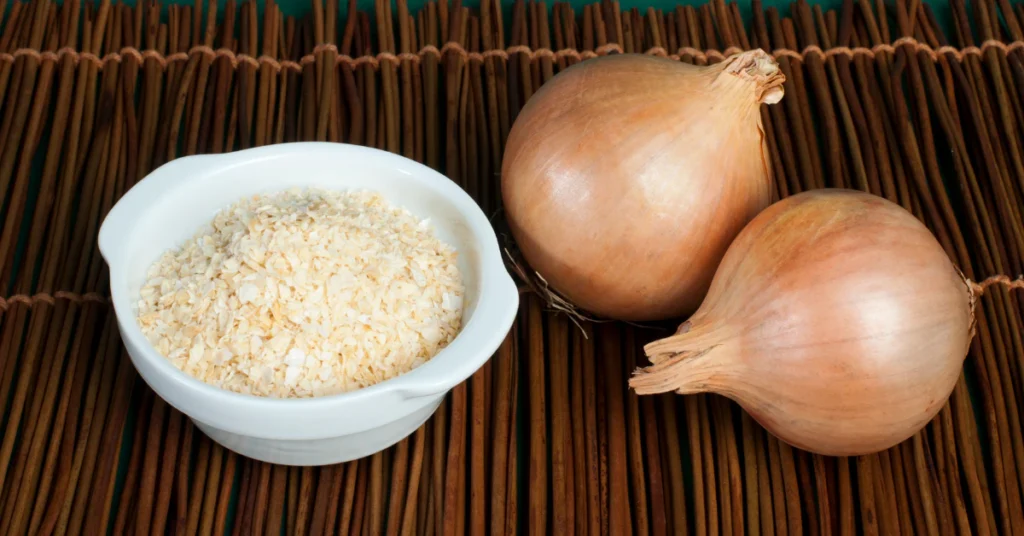
Yes, every form of onion is dangerous to dogs. This includes raw onion, cooked onion, onion powder, dehydrated onion flakes, and even onion juice or broth. A common myth is that cooking breaks down the toxic compounds. It does not. Heat changes the taste and texture of onion, but the sulfur compounds that harm red blood cells stay intact. So if you’re wondering, can dogs eat onions cooked, the answer is still no, whether it’s grilled, sauteed, boiled, or baked into a dish.
Can dogs eat onion powder? This one deserves extra caution. Drying and grinding onion actually concentrates the toxic compounds into a much smaller amount. One teaspoon of garlic powder, for example, packs roughly the same punch as eight fresh garlic cloves. Onion powder works the same way. A small sprinkle in a seasoning blend can carry more toxic load than a chunk of raw onion.
Garlic deserves its own mention here, since many owners wonder, can dogs eat onions and garlic together, often because both show up in the same recipes. Garlic is actually worse. It is three to five times more toxic than onion, gram for gram. So a dish seasoned with can dogs eat onion powder and garlic powder together is a double risk, not just an added one.
One real case shows how easy this is to miss. In November 2025, Pet Poison Helpline shared the story of a dog named Snoopy. His owner had been frying chicken wings and used several ounces of onion and garlic powder along with the cooking oil. The leftover oil, soaked with seasoning, was left out overnight. Snoopy found it and licked up most of it. He ended up needing emergency care and repeat bloodwork over the following week to track his red blood cell count, all from oil that never touched a single visible piece of onion or garlic.
That’s the real danger. It’s rarely just the vegetable itself. It’s the broth, the drippings, the seasoned oil, and the powder dusted into foods that owners don’t think to double check.
How Much Onion is Toxic? (Dosage & Breed Risks)
Vets measure onion toxicity against a dog’s body weight. Two research numbers show up again and again: eating more than 0.5% of a dog’s body weight in onion, or 15 to 30 grams of raw onion per kilogram of body weight, has been linked to clinical signs of poisoning.
Here’s what that looks like in real terms:
| Dog’s Weight | Roughly 0.5% of Body Weight |
| 10 lbs | About 0.7 oz (20 g) |
| 25 lbs | About 1.8 oz (50 g) |
| 50 lbs | About 3.6 oz (100 g) |
For context, a medium onion weighs around 5 to 5.5 oz (150 g). So even a small dog eating a modest piece of onion can cross into risky territory fast.
This doesn’t mean a tiny lick or a single dropped piece will automatically make your dog sick. But it also doesn’t mean small amounts are safe to repeat. Vets note that onion exposure adds up over time. A little bit in table scraps every night can do just as much damage as one bigger dose, just more slowly.
Genetics play a role too. Akitas and Shiba Inus, both Japanese breeds, are more likely to carry an inherited trait that affects their red blood cells. Their cells naturally hold higher levels of a protective compound called glutathione, along with higher potassium levels. Oddly enough, this trait seems to make their red blood cells more vulnerable to the kind of oxidative damage onion causes, not less. If you own one of these breeds, it’s worth being extra cautious around onion and garlic in the kitchen.
No matter the breed or the amount, when in doubt, treat it as worth a call to your vet rather than something to wait out.
Symptoms of Onion Poisoning and Recovery Timeline

Watch for these signs if you suspect your dog ate onion:
- Weakness or unusual tiredness
- Pale or yellowish gums
- A faster than normal heart rate
- Fast or labored breathing
- Vomiting, diarrhea, or loss of appetite
- Dark red, brown, or almost black urine
- A noticeable onion smell on the breath
Remember, these signs may not show up right away. They often appear a few days after exposure, once enough red blood cells have been damaged.
If your vet suspects onion poisoning, treatment depends on how recently it happened and how severe things look. If your dog ate the onion recently, the vet may induce vomiting and give activated charcoal to stop more of it from being absorbed. From there, your dog will likely need bloodwork to track red blood cell levels, IV fluids to support the body, and close monitoring over the following days. In more serious cases, a blood transfusion may be needed to replace lost red blood cells.
Here’s some genuinely reassuring news. This type of anemia is regenerative, which means the body actively works to replace the damaged cells rather than simply running low forever. In documented cases, red blood cell levels hit their lowest point around day 5 after exposure, then climbed back to normal within 10 to 14 days with proper veterinary care. Most dogs make a full recovery when the poisoning is caught and treated.
What About Foods Mixed With Onions?

Onion often shows up in the same dish as other vegetables, which leads to a lot of mixed-up questions. The good news is that most of these companion ingredients are not the problem.
Can dogs eat onions and peppers? Bell peppers on their own are generally fine for dogs in small amounts. Can dogs eat onions and cilantro? Cilantro is also considered safe by itself. The same goes for ripe tomatoes and plain, store-bought culinary mushrooms, both of which are typically fine for dogs when given plain and in small amounts.
So where’s the catch? It’s simple. If any of these ingredients were cooked in the same pan, sauce, or dish as onion or garlic, the whole meal is off limits. Onion flavor and its toxic compounds spread into whatever it’s cooked with, including the oil, the broth, and every other ingredient sharing that pot. A pepper that simmered in an onion-based sauce has absorbed some of that risk. It’s no longer just a pepper.
The safest approach is to think about the dish as a whole rather than ingredient by ingredient. A plain cooked pepper or a few cilantro leaves on their own are not a concern. That same pepper pulled out of a salsa, stir-fry, or pasta sauce made with onion is a different story entirely.
When in doubt, it’s easier and safer to offer these vegetables to your dog plain and separately, rather than trying to rescue them from a dish that also contained onion or garlic.
Frequently Asked Questions
What happens if a dog eats a little onion?
A small, one-time amount may cause nothing more than mild stomach upset, like a bit of drooling or a soft stool. Larger or repeated amounts are what typically lead to real red blood cell damage. Since reactions vary by dog and symptoms can take days to show, it’s still worth calling your vet rather than assuming a small amount is automatically fine.
How much onion is toxic to a 70lb dog?
Research puts the threshold around 15 to 30 grams of raw onion per kilogram of body weight, or roughly 0.5% of body weight. For a 70lb dog (about 32 kg), that works out to somewhere between 5.6 oz and over a pound, depending on which study you reference. This is a research threshold from controlled studies, not a “safe to feed” line. It exists to help vets understand risk, not to guide how much onion is okay to give your dog.
Can dogs eat meat cooked with onions?
No. Onion flavor and its toxic compounds soak into the meat, the pan drippings, and any oil or sauce involved, even if you pick the onion pieces out.
Is cooked onion toxic to dogs?
Yes. Cooking does not destroy the compounds that damage red blood cells. Raw, cooked, dried, or powdered, onion stays dangerous in every form.
How fast is onion toxicity in dogs?
Not fast at all, which is part of what makes it risky. Noticeable symptoms usually take a few days to appear, since red blood cell damage builds up gradually rather than happening all at once.
What’s worse for dogs, onions or garlic?
Garlic. It’s three to five times more toxic than onion by weight, according to the Merck Veterinary Manual.
My dog ate a sandwich with onions. What should I do?
Note roughly how much onion was involved and your dog’s weight, then call your vet or a poison control hotline right away. Don’t wait to see if symptoms show up, and don’t try to induce vomiting unless a professional tells you how.
How do vets treat onion poisoning in dogs?
Treatment can include inducing vomiting if caught early, activated charcoal, IV fluids, bloodwork to monitor red blood cells over several days, and in serious cases, a blood transfusion.
What do I do if my dog ate garlic and onions?
Treat it as more urgent than onion alone, since garlic is the stronger toxin of the two. Call your vet or poison control immediately and let them know the approximate amount of each.
A Quick Final Word
Onion is one of those everyday kitchen staples that feels harmless but genuinely isn’t, not for dogs. The real danger is that it works slowly and quietly, which means the moment things look fine is often the moment your dog’s body is already working through the damage. Keep onion, garlic, and anything cooked with them well out of reach, double check sauces and seasoned leftovers before sharing, and if an accident ever happens, don’t wait on calling your vet or a poison control hotline. A fast call is the single best thing you can do for your dog.