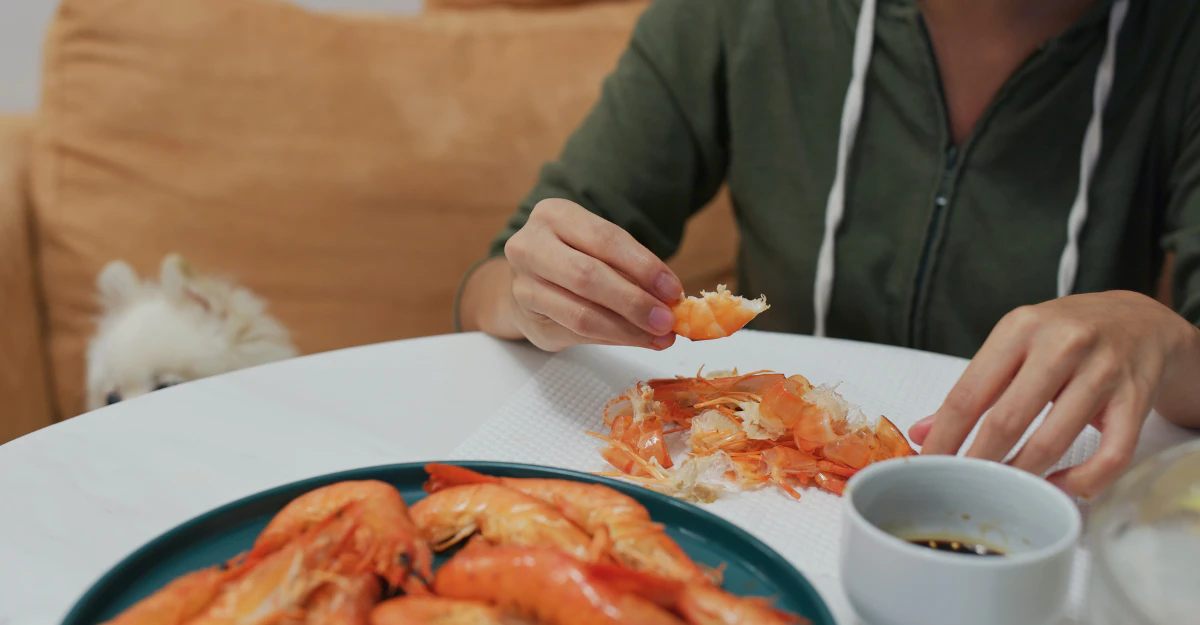
Yes, dogs can have shrimp. It’s safe in small amounts as long as it’s fully cooked, peeled, and completely plain. That means no shell, no tail, and no garlic, onion, butter, or cocktail sauce. Treats like shrimp should stay under 10% of your dog’s daily food intake. Raw shrimp is never safe for dogs.
Worried right now? Here’s where to go:
- Dog just ate a shell or tail? Jump to the choking and blockage section below.
- Shrimp had garlic, onion, or seasoning? Jump to the toxic ingredients section.
- Just planning a safe treat? Skip to the cooking guide for step-by-step prep.
Nutritional Benefits of Shrimp for Dogs (And the Cholesterol Nuance)
Shrimp isn’t just an empty treat. It actually brings a few real perks to the table.
A small piece of shrimp gives your dog lean protein, which helps build and repair muscle without loading on extra calories. Shrimp also contains vitamin B12, which supports healthy digestion and helps the body turn food into energy. Niacin, another nutrient found in shrimp, helps enzymes do their job and keeps energy levels steady. Shrimp also has phosphorus and antioxidants, both of which support overall health.
Here’s where the benefits of shrimp for dogs get a bit more nuanced. Shrimp does contain cholesterol, and some articles stop right there and make it sound scary. But shrimp is also very low in saturated fat, which is the type of fat that matters most when it comes to cholesterol and weight concerns.
For a healthy dog, one small piece of shrimp given now and then isn’t going to cause a cholesterol problem. The real key is portion size. Treats, including shrimp, should make up less than 10 percent of your dog’s daily calories. Stay within that limit, and shrimp can be a smart, occasional way to add variety to your dog’s diet.
Raw vs. Cooked: Why Dogs Can Never Have Uncooked Shrimp
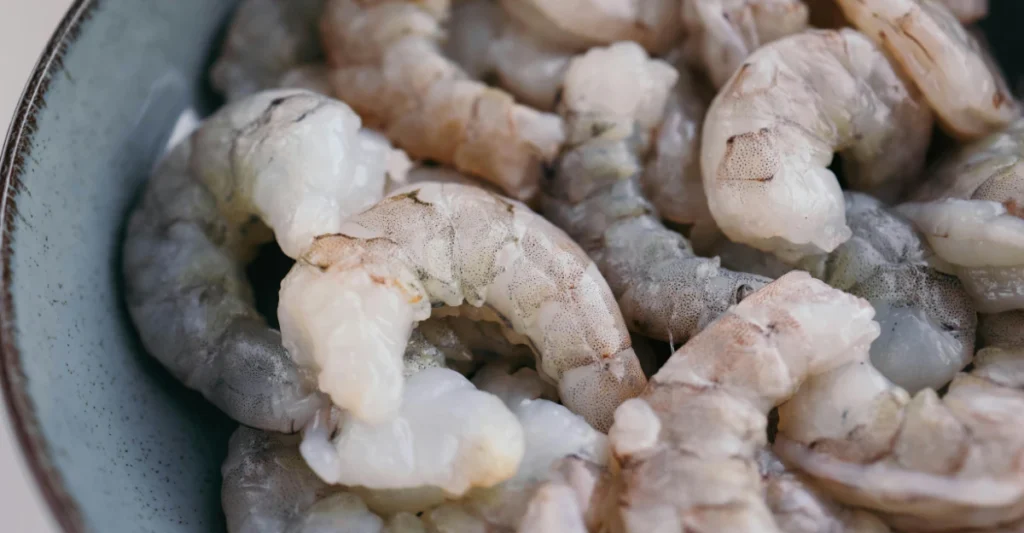
So can dogs have shrimp uncooked? No. This is one rule that doesn’t bend.
Raw shrimp can carry bacteria like Salmonella and Vibrio, along with marine parasites. Dogs are not immune to these germs just because they’re animals. A dog that eats raw shrimp can end up with an upset stomach, vomiting, or worse, the same way a person can get sick from raw seafood.
This is exactly why can dogs eat cooked shrimp has a much simpler answer: yes. Cooking shrimp all the way through kills off these harmful bacteria and parasites. A good rule of thumb is that shrimp is safe once it turns fully pink and opaque all the way to the center, with no gray or translucent parts left.
Kitchen habits matter here too. If you’re peeling raw shrimp for dinner, wash your hands and clean your cutting board and countertops right after. Dogs are quick to lick up any juice or scraps left behind, and that raw shrimp residue carries the same risks as the shrimp itself.
When in doubt, fully cooked and cooled shrimp is always the safer choice to share.
Shells, Tails, and the Dark Vein: What If Your Dog Ate One?
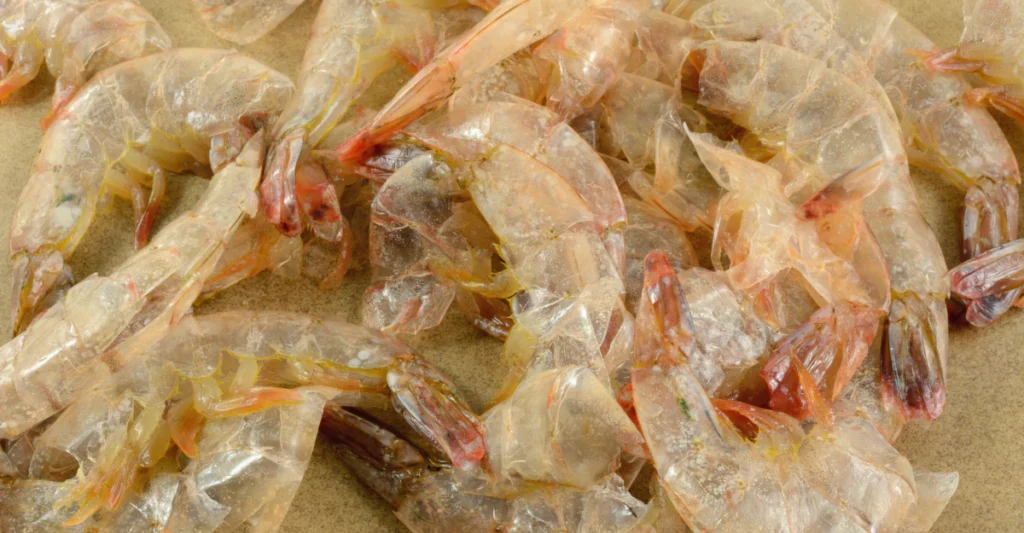
If your dog just swallowed a shrimp tail off a plate, take a breath. Here’s what you need to know, and what to watch for.
Shrimp shells, legs, and tails are made of a hard material called chitin. It’s rigid and doesn’t break down easily when chewed. This is why can dogs eat shrimp tails has a clear no attached to it. A swallowed shell or tail can scrape the inside of the mouth or throat, get stuck on the way down, or cause a blockage further along in the digestive tract. Small and toy breeds face the highest risk here, since their airways and intestines are narrower.
Now, here’s something a lot of owners get confused about, and most articles don’t clear up. Peeling shrimp and deveining shrimp are two different steps. The shell and tail are the outer covering, and those need to come off completely before a dog gets any shrimp. The dark vein running along the back is actually the shrimp’s digestive tract. It’s not dangerous the way the shell is. If a tiny bit of cooked vein is accidentally left in a peeled shrimp, it’s a low-risk situation, not an emergency. The shell and tail are the real hazards, not the vein.
If your dog already swallowed a tail or shell piece, keep an eye on them for the next 24 to 48 hours. Watch for gagging, repeated vomiting, lethargy, straining to poop, or signs of belly pain. If any of these show up, call your vet right away. This article isn’t a substitute for professional veterinary advice, so when in doubt, your vet is the safest call.
Seasonings, Cocktail Sauce, Lemon, and Popcorn Shrimp
Plain shrimp is rare in real life. Most owners are holding scampi, a shrimp ring, or a box of popcorn shrimp from the freezer. Here’s how each one breaks down.
Garlic and Scampi
Can dogs have garlic? No, never. Not raw, not cooked, not even a sprinkle of garlic powder. According to the ASPCA Animal Poison Control Center, garlic contains a compound called N-propyl disulfide. This compound damages a dog’s red blood cells and can cause a condition called hemolytic anemia, sometimes called Heinz body anemia. Signs include weakness, heavy panting, a fast heart rate, and dark or bloody urine.
Dr. Michael Hyder, DVM, Medical Director of VEG ER for Pets, explains that even small amounts of garlic have caused poisoning in dogs. Some breeds, like Akitas and Shiba Inus, are genetically more sensitive to this damage, so garlic scampi is completely off the table for any dog.
If your dog eats garlic or shows any of these signs, contact your vet or the ASPCA Animal Poison Control Center right away at 888-426-4435. This article is not a substitute for professional veterinary advice.
Shrimp Cocktail
Plain, chilled shrimp from a shrimp ring is fine, as long as it’s peeled, tail-off, and wasn’t cooked in an onion or garlic broth. The problem is the red cocktail sauce sitting next to it. That sauce usually has horseradish, a lot of sodium, added sugar, and often onion or garlic powder. Keep the shrimp, skip the sauce entirely.
Popcorn Shrimp
Can dogs have popcorn shrimp? It’s best to avoid it. Freezer-aisle and restaurant popcorn shrimp is breaded and deep-fried, which means heavy oil, a lot of sodium, and often garlic or onion powder mixed into the coating. This combination can upset a dog’s stomach and, per AVMA guidance on fatty table scraps, can trigger a pancreatitis flare-up. It’s simply not worth the risk.
Lemon
A tiny trace of lemon juice on a piece of shrimp won’t poison your dog. But citric acid and lemon oils can still upset a dog’s stomach, and most dogs find the bitter, sour taste unpleasant anyway. It’s easiest to just serve shrimp without any lemon at all.
Pancreatitis, Dietary Fat, and Shellfish Allergies in Dogs
A quick note before we go further: this guide is not a substitute for professional veterinary care. If your dog shows any concerning symptoms, call your vet or the ASPCA Animal Poison Control Center at 888-426-4435.
Shrimp itself is low in fat, but how it’s cooked matters a lot. The AVMA advises keeping high-fat table scraps, like anything fried or drenched in butter, away from dogs because they can trigger a painful flare-up of pancreatitis. This is solid, practical advice, and it’s worth following.
At the same time, the science behind this is more complicated than most articles let on. A 2026 peer-reviewed veterinary evaluation looked closely at the link between dietary fat and pancreatitis in dogs and found that the exact cause of the disease is still poorly understood. Many of the early studies blaming fat alone had small sample sizes and used outdated methods, so the picture isn’t as simple as “fatty food equals pancreatitis” every time.
That said, caution still makes sense, especially for dogs who’ve had pancreatitis before. VCA Animal Hospitals explains that mild cases are treated with pain relief, anti-nausea medication, and small low-fat meals, while severe cases can require hospitalization, IV fluids, and treatment for shock. Given how serious this can get, dogs with a pancreatitis history should stick to tiny portions of plain, steamed shrimp, or skip shrimp treats altogether. Ask your vet what’s right for your dog.
Shellfish allergies are another thing to watch for. The first time you offer shrimp, start small, just half a plain piece, and watch your dog closely over the next day. According to the ASPCA, signs of an allergic reaction can include itching, hives, facial swelling, vomiting, or diarrhea. If you see any of these, stop feeding shrimp and contact your vet.
Buying Shrimp in 2026: Imported Contamination & Hidden Additives
Before shrimp ever reaches your stove, it’s already been through a lot. Here’s what’s worth knowing before you buy a bag for your dog.
Where Your Shrimp Comes From Matters
Through 2025 and 2026, the FDA has stepped up inspections on imported shrimp, and for good reason. Shipments coming mainly from India, Indonesia, and Vietnam have repeatedly been refused entry for containing banned antibiotics, including nitrofurans, chloramphenicol, and amoxicillin. In one striking case, a shipment was even flagged for radioactive Cesium-137 contamination. HHS Secretary Robert F. Kennedy Jr. has publicly named tighter shrimp inspections a 2026 FDA priority, citing ongoing contamination concerns tied to certain imported sources.
None of this means every bag of imported shrimp is dangerous. But if you’re sharing shrimp with your dog regularly, it’s worth choosing shrimp that’s wild-caught or farmed in the United States when you can. It’s a simple swap that lowers your risk without much extra effort.
What’s Actually in the Bag
Here’s something most pet blogs skip entirely. Most frozen shrimp sold in the US isn’t just shrimp. It’s often treated with sodium bisulfite, a preservative that keeps the shells from turning black, and sodium tripolyphosphate, or STPP, which helps the shrimp hold water and look plumper. The FDA caps sulfite residue at 100 parts per million for human food safety.
There isn’t canine-specific research on how these additives affect dogs, so this isn’t a poisoning warning. It’s simply good practice to know what you’re feeding. Check the ingredient label and look for bags that say “100% shrimp” or just “shrimp and water.” If your bag lists bisulfites or STPP, give the thawed shrimp a good rinse under cold water before cooking it for your dog.
How to Cook Shrimp for Dogs (Step-by-Step Prep & Portions)
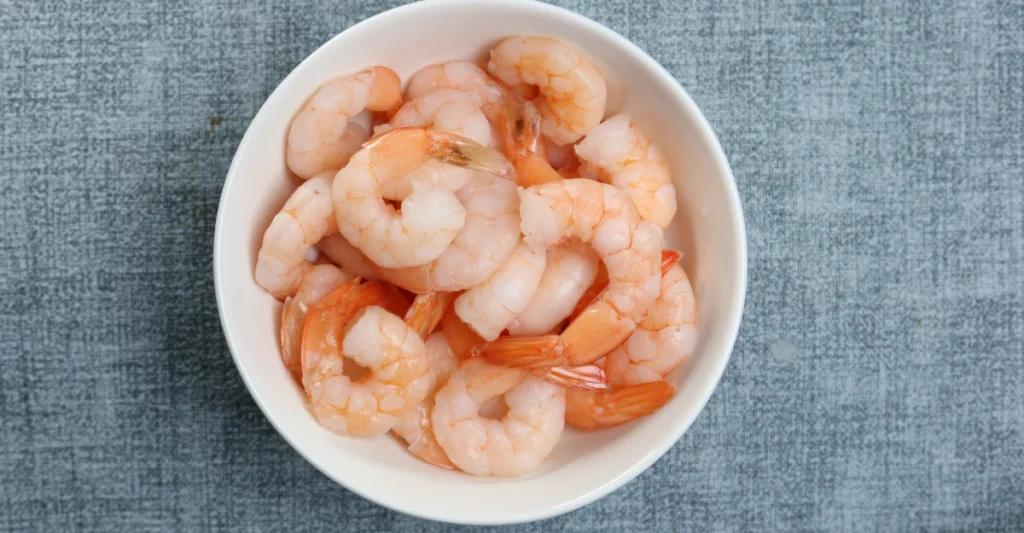
Cooking shrimp for your dog only takes a few minutes, and it’s simple once you know the steps.
- Thaw and rinse. Run frozen shrimp under cold water to thaw it and wash away any ice glaze, along with any leftover sulfite or STPP residue from packaging.
- Peel it completely. Remove the head, shell, legs, and tail. You can also slide out the dark vein along the back, though this step is more about neatness than safety.
- Boil or steam it plain. Cook the shrimp in plain water for 2 to 3 minutes, until it turns fully pink and opaque all the way through. Skip the butter, oil, salt, lemon, and any seasoning.
- Cool and chop it up. Let the shrimp cool to room temperature, then cut it into small, bite-sized pieces. This helps prevent choking, especially in dogs who tend to gulp their food.
Once it’s ready, portion size depends on your dog’s size. Since treats should stay under 10 percent of a dog’s daily calories, here’s a simple guide:
| Dog Size | Suggested Portion |
| Extra-small/toy | Half a medium shrimp, chopped fine |
| Small to medium | One medium shrimp |
| Large to giant | Two to three medium shrimp |
Keep this as an occasional treat, not a regular meal addition, and you’ll get all the benefits of shrimp for dogs with none of the risk.
Multi-Pet Households: Can Cats Have Shrimp Too?
If you’ve got a dog and a cat both circling your feet while you cook shrimp, you’re not imagining it. Dogs actually see the world mostly in shades of blue and yellow, according to VCA Animal Hospitals, so it’s not the pink color drawing them in. It’s the smell. Cats, being scent-driven by nature, are picking up on that same fishy aroma and racing over just as fast.
So can cats have shrimp? For most healthy cats, yes. A small piece of plain, cooked, peeled, unseasoned shrimp is generally fine as an occasional bite, the same rules that apply to dogs.
There’s one important difference worth knowing, though. Fetch veterinarian Dr. Aliya McCullough, DVM, points out that shrimp naturally contains more iodine than many other foods. That’s not usually a problem for a healthy cat, but it can make things tricky for a cat being treated for hyperthyroidism, since extra iodine can interfere with getting their medication properly regulated.
If your cat has a thyroid condition, it’s best to skip shrimp unless your vet gives you the go-ahead first. For every other cat in the house, a small piece now and then is perfectly reasonable to share.
Shrimp vs. Other Seafood: What Can Dogs Eat Safely?
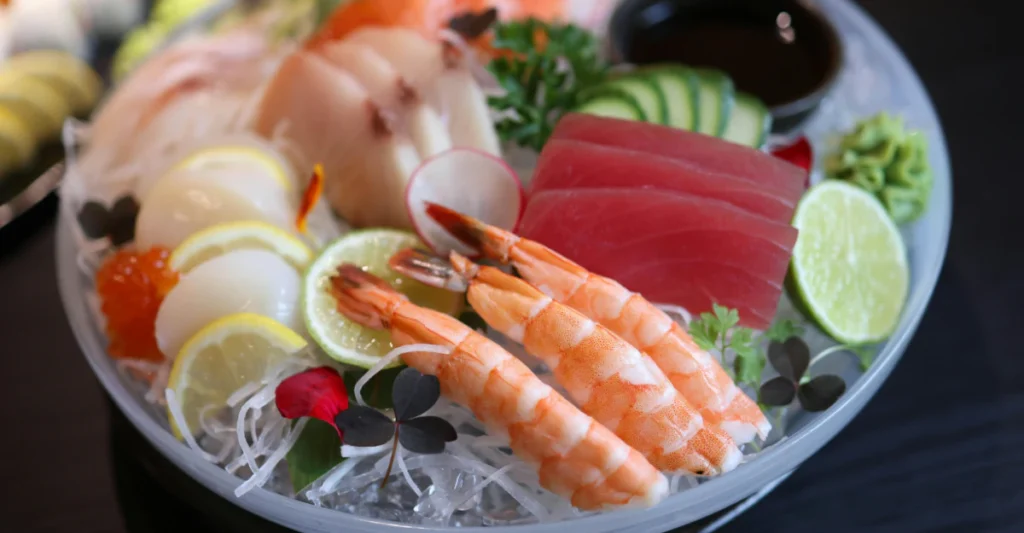
Shrimp isn’t the only seafood likely to end up on your dog’s radar. Here’s how it compares to other common options.
| Seafood | Can Dogs Eat It? | Choking/Shell Risk | Sodium & Mercury | How to Serve Safely |
| Shrimp | Yes, in moderation | High if shell/tail left on | Low mercury | Peel, boil or steam plain, chop small |
| Cooked Salmon | Yes | Low, if boneless | Low mercury | Cook fully, remove all bones, serve plain |
| Canned Tuna (in water) | Occasionally, small amounts | Low | Higher mercury, watch sodium | Choose water-packed, drain well, feed rarely |
| Crab Meat | Yes, in moderation | High if shell fragments remain | Moderate sodium | Cook fully, remove all shell pieces |
| Lobster | Yes, in moderation | High if shell left on | Moderate sodium | Peel completely, serve plain, no butter |
| Imitation Crab (Surimi) | Best avoided | Low | High sodium, added sugar | Heavily processed with fillers, skip it |
Plain cooked shrimp and boneless cooked salmon are generally the easiest, safest picks. Imitation crab looks harmless, but it’s a processed product built for flavor, not nutrition, so it’s one to leave off your dog’s plate.
Frequently Asked Questions
What seafood should dogs not eat?
Dogs should avoid raw seafood, shell-on shellfish, fried or breaded seafood, and anything seasoned with garlic or onion. Raw shrimp, fish, or crab can carry bacteria like Salmonella and Vibrio, which can make a dog seriously sick. Shell-on shrimp, crab, or lobster pose a choking and blockage risk because of their hard, sharp shells. Fried or breaded options like popcorn shrimp add heavy oil and sodium that can upset a dog’s stomach. Most importantly, any seafood dish cooked with garlic or onion should be kept away entirely, since the ASPCA confirms both are toxic to dogs and can damage red blood cells.
How many shrimp can a dog have?
There’s no single number that works for every dog, since portion size depends on your dog’s weight. A tiny or toy breed might only handle half a shrimp, while a medium or large dog can usually manage one to two pieces as an occasional treat. Whatever the amount, keep it within the general veterinary guideline that treats should make up less than 10 percent of a dog’s daily calories. When in doubt about the right portion for your dog, your vet can help you fine-tune it.
Conclusion
Shrimp can be a safe, tasty treat for most dogs when it’s fully cooked, peeled, and served plain. The real risks come from what’s added to it or left on it, like shells, tails, garlic, or heavy seasoning, not the shrimp itself. Stick to small portions, watch for allergy signs the first time you offer it, and choose your shrimp source with a bit of care. With those simple steps, shrimp night can be something your whole household, dog included, gets to enjoy safely.