Dogs pant to cool down. They have sweat glands only in their paw pads, so panting moves air over the tongue and airway to release heat through evaporation. Heat, exercise, and excitement cause normal panting. Heavy panting while resting can point to pain, a medication side effect, or a medical emergency.
Veterinary Disclaimer: This article is for informational purposes only and is not a substitute for professional veterinary advice, diagnosis, or treatment. If your dog is panting heavily with pale, gray, or blue gums, struggling to breathe, or collapsing, contact an emergency veterinarian immediately.
How Dog Panting Works: The Cooling System Explained
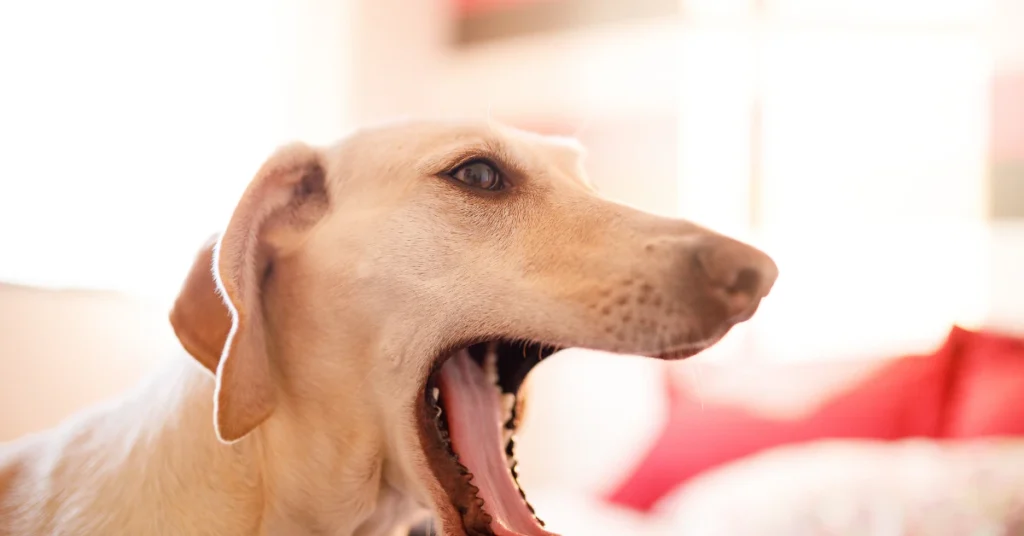
Dogs don’t sweat the way people do. Sweat glands cover most of the human body, but a dog only has them in the paw pads. That’s not enough to cool down a whole body, so dogs rely on a different system.
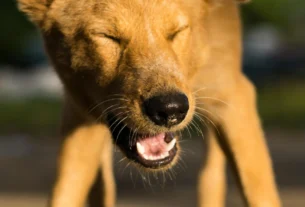
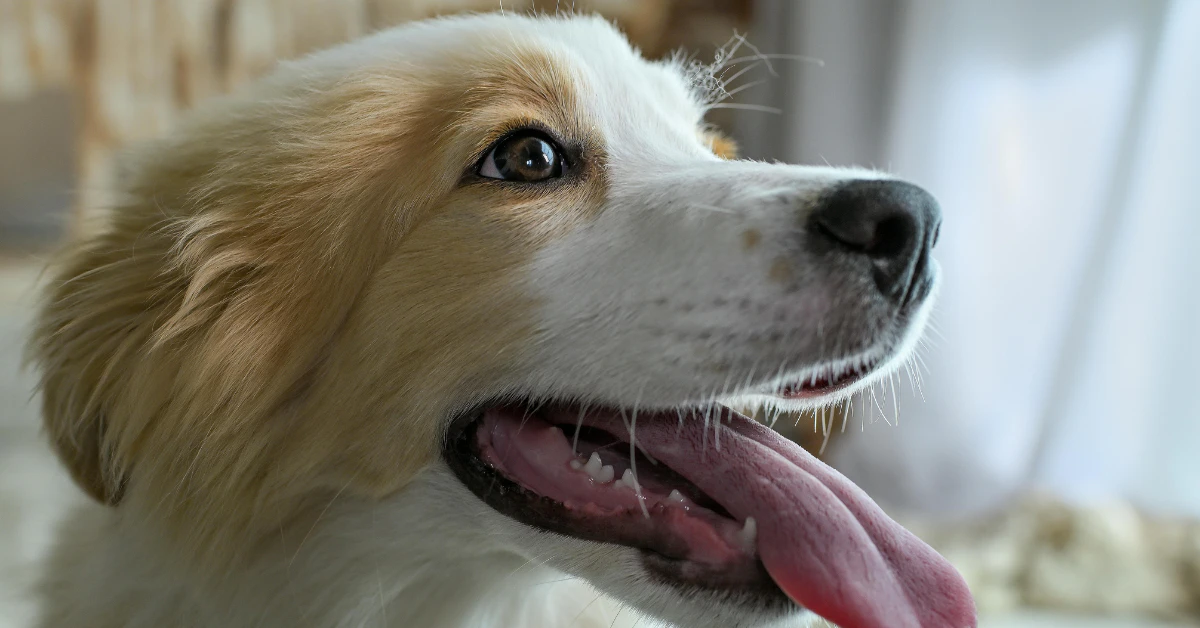
When a dog pants, air moves quickly across the tongue and the inside of the mouth and throat. The moisture there evaporates fast, and that evaporation pulls heat out of the body. This is exactly why dogs pant when they are hot. A wide-open mouth with the tongue out increases the surface area for air to pass over, which speeds up cooling. So when you notice why do dogs pant with their tongue out, the tongue is basically acting like a built-in radiator.
Not all panting looks the same, though. Here’s how to tell the difference:
Relaxed cooling pant:
- Loose, open jaw
- Tongue hangs comfortably forward or to the side
- Soft, relaxed eyes
Stress or pain pant:
- Corners of the mouth pulled tightly back
- Tense forehead or furrowed brow
- Wide, alert eyes
- Restlessness or pacing
Watching the whole face, not just the mouth, gives you a much clearer read.
Normal vs. Abnormal Panting: Side-by-Side Comparison
Trying to figure out if your dog’s panting is fine or worrying can feel confusing when every article lists ten possible causes. A quick side-by-side check often helps more than a long list. If you’re asking why is my dog panting while resting, this table is a good place to start.
| Normal Panting | Concerning Panting | |
| Trigger | Heat, exercise, excitement | No clear trigger, or happens at rest |
| Duration | Settles within 10 to 15 minutes | Continues or gets worse |
| Mouth posture | Loose, relaxed jaw | Corners pulled tight, tense look |
| Gum color | Healthy bubblegum pink | Pale, gray, or blue |
| Body language | Calm, settled once cooled down | Restless, pacing, weak, or unsteady |
If your dog’s panting matches the left column, it’s usually nothing to worry about. If it matches the right column, it’s time to call your vet.
A note on breed and panting sounds:
Some breeds naturally sound different when they pant. Labrador Retrievers and Golden Retrievers can develop a condition called laryngeal paralysis, which makes their panting sound harsh or raspy. Short-snouted breeds like Pugs and English Bulldogs often snort while panting because their airways are naturally narrower. These sounds don’t always mean something is wrong, but if the sound suddenly changes or gets worse, it’s worth mentioning to your vet.
Veterinary Disclaimer: This isn’t a substitute for professional veterinary advice. If your dog’s gums look pale, gray, or blue, or if breathing looks labored, contact an emergency vet right away.
Hidden Medical & Medication Causes (The Steroid Trap)
If your dog is on medication and suddenly panting more, the drug itself may be the reason. Steroids like prednisone are well known for causing heavier panting, even when a dog is calm, cool, and just lying on the couch.
This is one of the most common owner mix-ups. It’s easy to look at a panting dog in an air-conditioned room and assume something is stressing them out, or that the house feels too warm. But if your dog recently started a steroid, the medication itself is often the simple explanation. Many owners never mention this to their vet because it doesn’t seem connected, when in fact it’s a known and usually harmless side effect worth flagging at the next visit.
Medication aside, some chronic health conditions cause panting to become part of a dog’s everyday pattern.
Cushing’s disease is one of the more common culprits. This condition happens when the body produces too much cortisol, a stress hormone. Along with heavier panting, Cushing’s disease often brings:
- A big increase in thirst and urination
- A noticeable jump in appetite
- Thinning hair or bald patches
- A round, pot-bellied look to the belly
Heart and respiratory disease can also drive ongoing panting. When the heart or lungs aren’t moving oxygen through the body efficiently, a dog may pant more just to keep up, even while resting.
None of these conditions are something to diagnose at home. But knowing the patterns helps you describe what you’re seeing more clearly when you do talk to your vet, which can speed up getting the right answer.
Why Is My Female or Male Dog Panting for No Reason?
Panting that seems to come out of nowhere can sometimes be tied to a dog’s sex and whether they’re spayed or neutered. This is one area competitors barely touch, but it matters.
Why is my female dog panting for no reason?
If you have an unspayed female dog, timing matters a lot. Pyometra is a serious infection of the uterus, a womb infection, that usually shows up two to eight weeks after a heat cycle. It’s a medical emergency and typically needs surgery right away.
Watch for panting paired with any of these signs:
- Lethargy or acting unusually tired
- Drinking a lot more water than normal
- Vomiting
- A swollen or bloated belly
If your unspayed female dog is panting heavily along with any of these, don’t wait it out. Call your vet the same day.
Why is my male dog panting for no reason?
For intact male dogs, panting can sometimes be linked to prostate discomfort, including prostate enlargement or infection, which can cause enough pain to trigger heavier breathing.
Both male and female dogs, spayed or not, can also develop Cushing’s disease, where the body makes too much cortisol. This hormonal imbalance leads to ongoing panting, along with extra thirst, hunger, and hair thinning.
If your dog’s panting doesn’t line up with heat, exercise, or excitement, a vet visit is the safest next step, especially for intact dogs where reproductive health may be part of the picture.
Why Do Dogs Pant at Night?
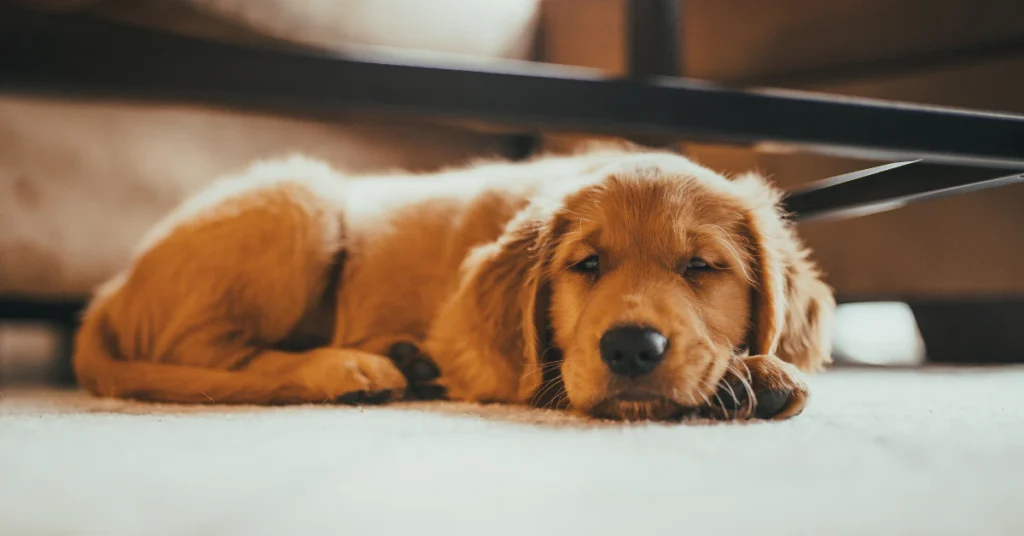
Nighttime panting throws a lot of owners off because there’s no obvious cause. No walk, no play session, no midday heat wave, just a dog lying down and breathing heavy in the dark.
A common belief is that older dogs simply pant more as they age. That’s not quite right. Panting at night in a senior dog is often a sign of something specific, not just a normal part of getting old.
Here are three common reasons behind it:
Hidden joint pain. Arthritis can make it uncomfortable to lie still, especially on hard floors. A dog shifting positions and panting through the night may be dealing with pain they can’t otherwise show you.
Hormonal or cognitive changes. Conditions like Cushing’s disease can cause restlessness and panting overnight. In some senior dogs, canine cognitive dysfunction (a kind of doggy disorientation) can also disrupt sleep and cause nighttime panting or pacing.
A room that’s too warm. Bedrooms often run warmer than the rest of the house, and a thick or plush dog bed can trap body heat.
A few simple things to try first:
- Lower the room temperature a few degrees
- Swap a heavy bed for a thinner, breathable one
- Add an orthopedic bed if your dog seems stiff getting up
If none of these changes help within a few nights, it’s worth having your vet check for pain or an underlying condition.
Why Do Dogs Pant in the Car? (Heat vs. Anxiety)
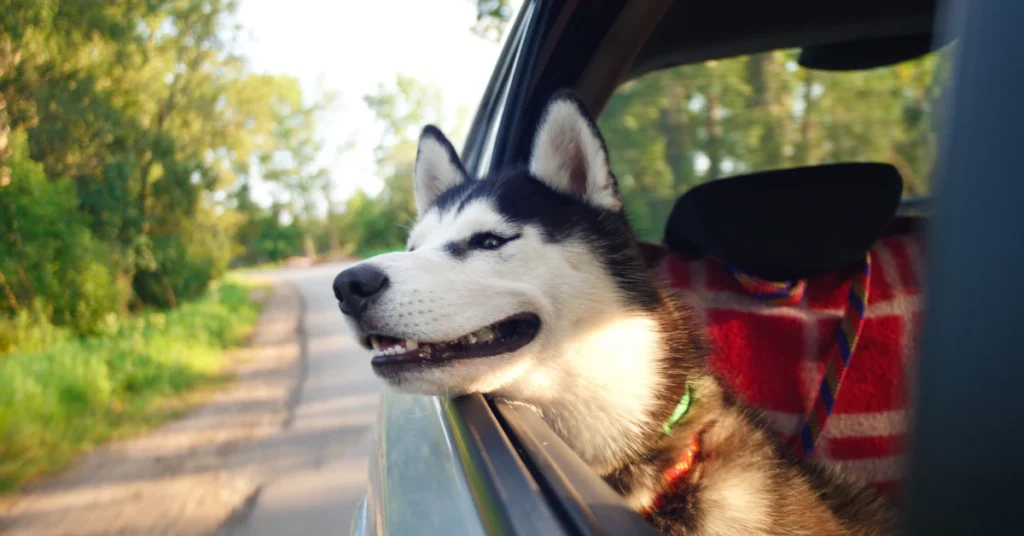
Cars and heat are a dangerous combination for dogs, and the numbers back that up. On a mild 70°F day, the inside of a parked car can climb to 99 to 100°F in just 20 minutes. Cracking the windows barely slows this down. That’s why a dog should never be left alone in a parked car, even for a quick errand and even on a day that doesn’t feel that hot outside.
But what about dogs panting in a moving car with the AC running? That’s a different situation entirely.
If the cabin is cool and your dog is still panting heavily, heat usually isn’t the cause. Two other things are more likely:
- Motion sickness. Just like people, dogs can get queasy from the movement of a car, which is tied to the inner ear.
- Travel anxiety. Some dogs simply feel stressed by car rides, especially if they associate them with the vet or other unpleasant places.
Alongside panting, watch for:
- Drooling more than usual
- Frequent lip-licking
- Whining or restlessness
These signs point to stress or nausea rather than overheating. If your dog shows this pattern often, talk to your vet about ways to make car rides easier, since there are ways to help both motion sickness and anxiety.
How to Calm a Panting Dog & Check Breathing Rate (SRR)
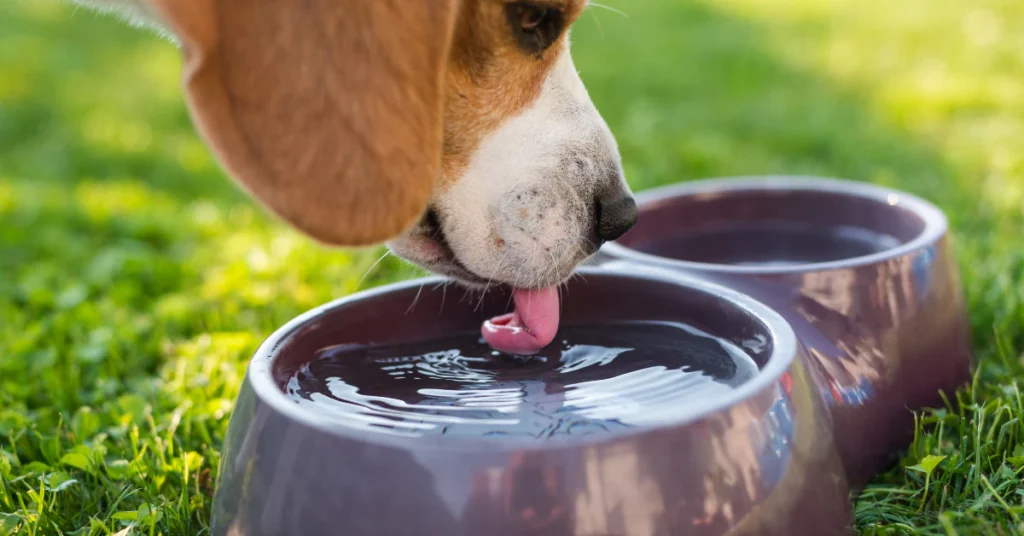
When your dog is panting hard, a few simple steps can help right away:
- Move them to a cool, shaded, or air-conditioned spot
- Offer cool (not ice-cold) water
- Remove whatever seems to be causing stress, whether that’s noise, heat, or a crowded room
Most of the time, panting settles down within a few minutes once the trigger is gone.
If your dog’s panting keeps happening without a clear cause, there’s a simple way to track it at home that vets actually use: counting the sleeping respiratory rate, or SRR.
How to check it in three steps:
- Wait until your dog is fully asleep, not just resting with eyes closed
- Watch their chest rise and fall, counting one full breath in and out as one count
- Count for a full 60 seconds
A normal sleeping respiratory rate for dogs is 15 to 30 breaths per minute. If you consistently count more than 30 to 35 breaths per minute while your dog is truly asleep, that’s worth mentioning to your vet.
This number matters because a rising sleeping respiratory rate can be one of the earliest warning signs of congestive heart failure or a developing respiratory problem, often showing up before other symptoms are obvious. Checking it once a week takes less than a minute and can catch a problem early.
Veterinary Disclaimer: This isn’t a substitute for professional veterinary advice. If your dog’s breathing rate is consistently high, or paired with coughing, weakness, or pale gums, contact your vet promptly.
Why Is My Dog Panting AND Eating Grass or Licking?
Grass-eating and licking are two of the most common questions dog owners search, and they don’t always mean the same thing on their own. But when either one shows up alongside panting, it’s worth paying closer attention.
Grass eating: A lot of people assume dogs eat grass because their stomach hurts, but that’s not the full picture. A 2008 UC Davis veterinary study found that only about 9% of dogs looked sick before eating grass, and only 22% vomited afterward. In other words, casual grass-eating is usually just normal behavior, not a sign of illness. The exception is when it happens suddenly and frantically, paired with panting. That combination can point to real stomach discomfort or nausea, and it’s worth watching closely.
Licking: Most licking is simple affection. Dogs often lick people to bond, a habit that goes back to how mother dogs groom their puppies. That said, according to AKC guidance, repeated licking of their own paws or lips, especially while panting, can mean something different, like anxiety, nausea, pain, or even allergies.
The pattern matters more than the single behavior. One lick or one bite of grass is nothing. Frantic grass-eating or nonstop lip-licking paired with heavy panting is a signal to check in with your vet.
Frequently Asked Questions
When should I be worried about dog panting?
Get concerned if panting has no clear trigger, like heat or exercise, or if it doesn’t calm down within 10 to 15 minutes of rest. Loud, harsh, or labored breathing is another red flag. If you notice pale, gray, or blue gums, weakness, or collapse, treat it as an emergency and call your vet right away rather than waiting to see if it passes.
Why is my dog panting with her mouth open?
This is usually completely normal. An open mouth lets air move over the moist tongue, which is how dogs cool themselves down since they don’t sweat like people do. It only becomes concerning if the mouth looks stretched unusually wide, the neck is extended forward, or your dog seems distressed rather than simply cooling off after activity or warmth.
How do you calm a panting dog?
Move your dog to a cool, quiet space, offer fresh water, and remove whatever seems to be causing stress or heat. This usually helps within a few minutes for normal panting. If your dog is resting calmly with no clear trigger and still panting heavily, that’s not something to try to calm down at home. It’s a sign to call your vet.
Conclusion
Panting is usually just your dog’s built-in cooling system doing its job. Heat, play, and excitement are the most common reasons behind it, and in most cases, a little rest and water is all it takes to settle things down.
The key is knowing what normal looks like for your dog so you can spot the exceptions. Panting with no clear trigger, breathing that won’t settle after 10 to 15 minutes, or pale, gray, or blue gums are signs that call for a vet visit rather than a wait-and-see approach.
If you’re ever unsure, trust your gut and check in with your vet. It’s always better to ask a quick question than to miss something that mattered.