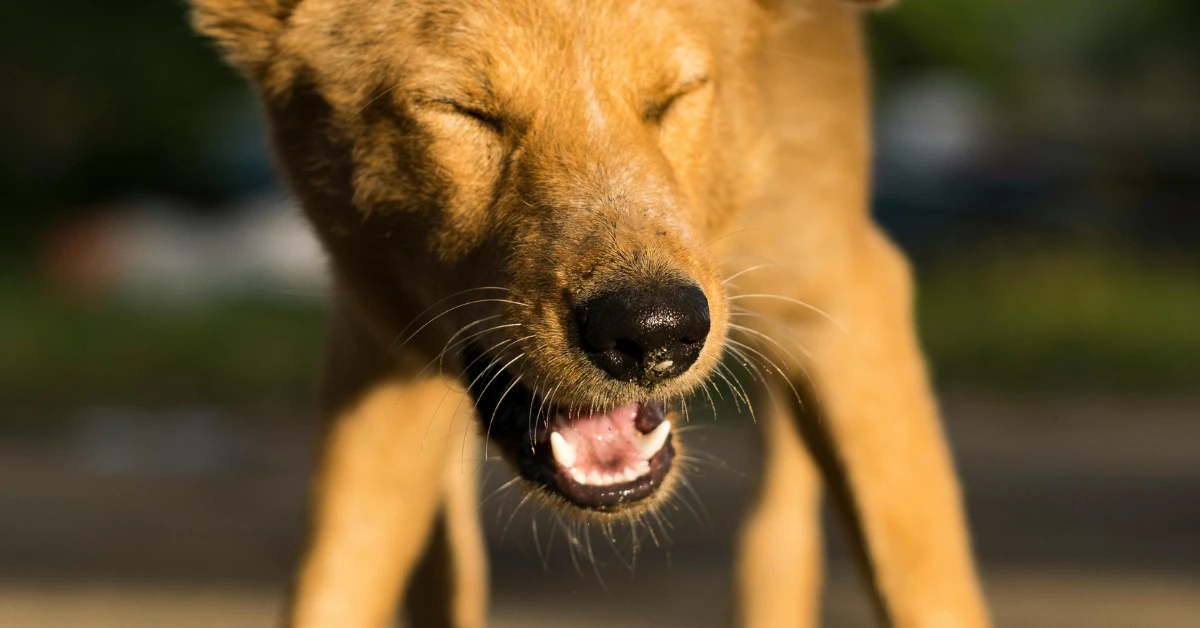
Reverse sneezing, also called paroxysmal respiration, happens when a dog rapidly sucks air in through the nose instead of pushing it out. It sounds alarming, like snorting or honking, but it is usually harmless and short. Most dogs are back to normal within a minute.
This guide gives general information only. It is not a substitute for professional veterinary advice. If your dog seems to be struggling to breathe, collapses, or shows blue or pale gums, contact an emergency vet right away, such as through the AVMA’s guide to finding emergency care.
Reverse sneezing can still be scary the first time you see it. Knowing what causes it and what to watch for can help you feel calmer and know exactly when to call your vet.
What Does It Look and Sound Like?
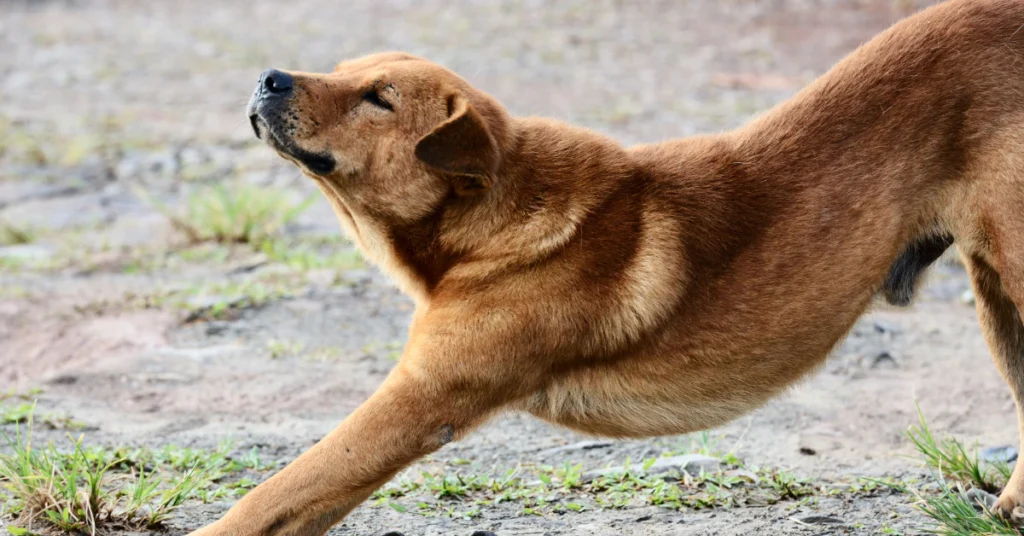
During an episode, your dog will usually stand still and stretch out their neck. Their elbows may point outward, almost like they are bracing themselves. Then comes the sound: a series of loud, fast snorts or honks as your dog pulls air in through the nose instead of pushing it out.
It can look and sound a lot like choking or gasping. Many owners describe it as a goose honking or a pig snorting. The whole thing usually lasts just a few seconds, though some episodes stretch closer to a minute.
Dr. Lori Teller, a veterinarian at Texas A&M College of Veterinary Medicine, put it simply: this event is “much scarier to the owner than to the dog.” Your dog is not in pain, even though it looks dramatic.
Any dog can have a reverse sneezing episode, but some are more likely to than others. A peer-reviewed study found that toy breeds under 5 kg (about 11 pounds) made up half of all cases studied. Small breeds between 5 and 15 kg made up another 27 percent. So if you have a Chihuahua, Yorkie, or other small dog, this sound is especially common.
What Is a Dog Reverse Sneeze Cause?
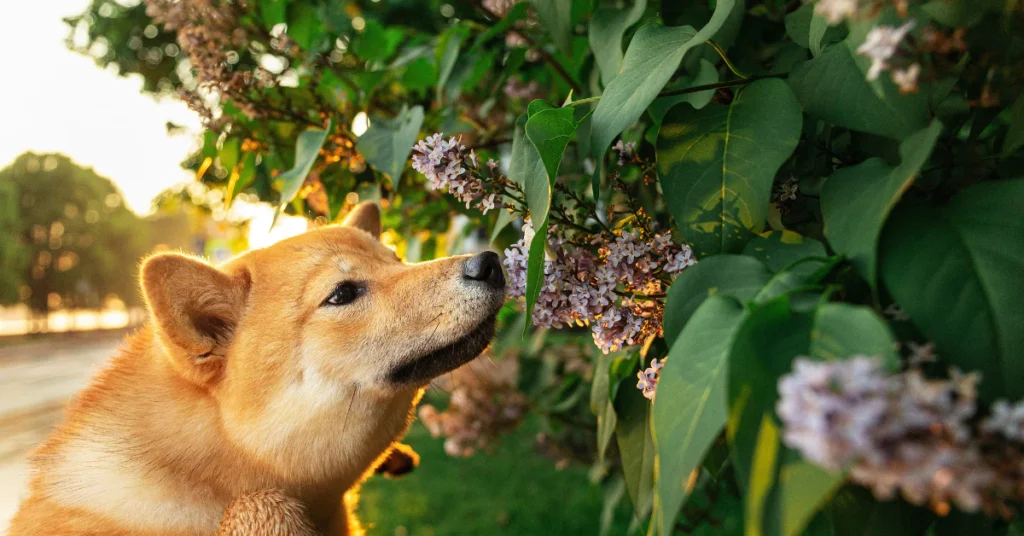
A dog reverse sneeze cause is usually something simple that irritates the nose or throat. In most cases, there is nothing to worry about. Common triggers include:
- Dust, pollen, or other airborne irritants
- Strong smells like perfume or cleaning spray
- Pulling hard against a leash or collar
- Eating or drinking too fast
- Excitement or sudden bursts of activity
Many dogs never show a clear pattern at all. The episode just happens, and then it is over.
There is one cause that catches a lot of new puppy owners off guard: the intranasal Bordetella vaccine, often called the kennel cough vaccine. This vaccine is given as drops in the nose instead of a shot. It is very common for dogs to sneeze or reverse sneeze for a few minutes right after getting it.
If your puppy just came home from a vet visit and started reverse sneezing soon after, this vaccine is likely the reason. It is a known, short-term reaction and not a sign that something went wrong. The AVMA offers more background on core and recommended vaccines for dogs if you want to understand what your puppy received.
This kind of reverse sneezing from a vaccine should pass on its own within a few minutes. If it continues for hours or days, call your vet just to be safe.
Is It Choking, Tracheal Collapse, or a Reverse Sneeze?
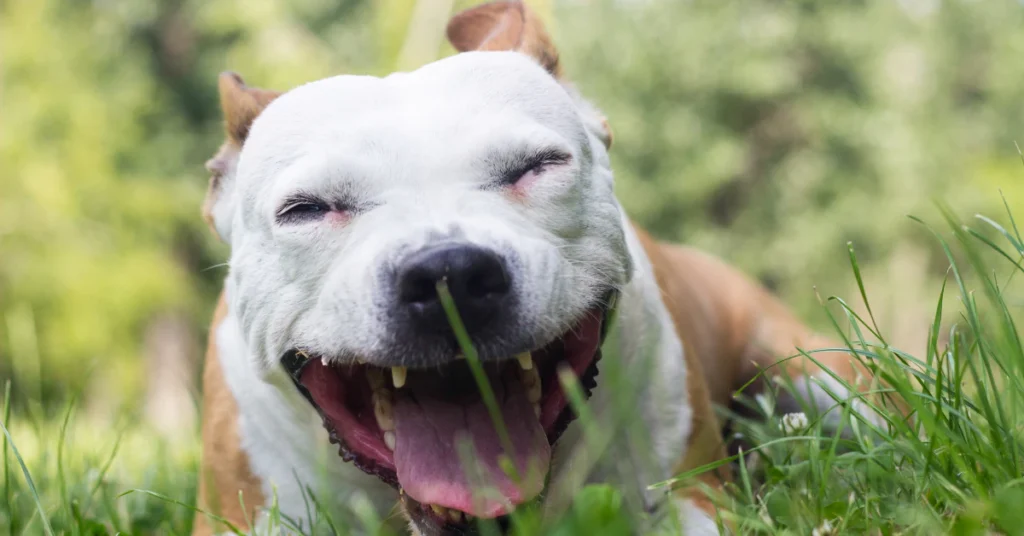
These three problems can look and sound alike at first, but they are very different. Knowing which one you are seeing matters a lot.
Reverse sneezing ends on its own, usually within a minute. Your dog acts completely normal right after. Tracheal collapse is different. It causes a dry, repeated cough that sounds like a goose honking, and it tends to show up again and again, especially during excitement or when a collar puts pressure on the neck. It is common in small breeds like Yorkies and Pomeranians. Choking is the most serious of the three. A choking dog may paw at their mouth, panic, or struggle to breathe at all.
Here is a quick way to compare them:
| Sign | Reverse Sneeze | Tracheal Collapse | Choking |
| Sound | Snorting or honking inhale | Repeated goose-honk cough | Gagging, retching, or silence |
| Duration | Seconds to about a minute | Comes and goes, often long-term | Continues until object is cleared |
| Body position | Stands still, neck stretched out | Coughing fits, may worsen with activity | Pawing at mouth, panic |
| After it ends | Acts totally normal | May still cough or tire easily | Needs the object removed to stop |
Dr. Christine Rutter, a veterinarian at Texas A&M College of Veterinary Medicine, warns that it is easy to confuse choking with coughing, gagging, reverse sneezing, and regurgitation. This mix-up matters because of what some owners try next.
If you think your dog is choking, do not immediately jump to a pet Heimlich maneuver. Dr. Rutter points out that these techniques are not well proven in veterinary medicine and come with real risk. A distressed dog may bite, even a dog who would never normally bite. You could end up needing care for yourself as well as your dog.
If you are ever unsure what you are seeing, treat it as a true emergency and call your vet or an emergency animal hospital right away.
How to Help a Dog Reverse Sneeze Attack
When a dog reverse sneeze attack starts, try to stay calm. Your dog is looking to you, and a calm voice can help them relax faster.
There are a few simple things you can try at home:
- Gently massage your dog’s throat or neck
- Briefly cover their nostrils for a second or two, then let go
- Softly blow in your dog’s face
These steps often encourage your dog to swallow, which can help stop the episode faster. This is one of the most searched home remedies for reverse sneezing in dogs, and it works because swallowing helps clear whatever is irritating the throat.
Most episodes end on their own within a minute, with or without help from you. If your dog seems otherwise fine before and after, there is usually nothing more to do.
For dogs who have frequent or severe episodes, a vet visit may lead to a more specific dog reverse sneeze treatment plan. Depending on what your vet finds, they may prescribe medications like antihistamines, decongestants, or anti-inflammatory drugs. These are used to calm irritation in the nose and throat that may be triggering repeated episodes.
Never give your dog human medication on your own. The right choice, and the right dose, depends on your dog’s size, health, and history. Only your veterinarian can make that call safely.
Reverse Sneezing in Dogs: When to Worry
Most of the time, this is nothing to fear. But there are cases where reverse sneezing in dogs when to worry becomes a fair question to ask.
One study looked closely at dogs brought to the vet specifically for reverse sneezing. It found that 60 percent of these cases were chronic, meaning they had been going on for more than three months. Most of those dogs also had another respiratory sign along with the sneezing, like coughing or nasal discharge.
This tells us something important. While a single, short episode is usually harmless, reverse sneezing that keeps coming back for months, or shows up alongside other symptoms, is worth mentioning to your vet. It does not always mean something serious is wrong, but it is a pattern that deserves a closer look rather than being ignored.
A common fear is that reverse sneezing is linked to heart failure. It is not. Reverse sneezing happens because of irritation in the nose and throat. Heart failure causes breathing changes through a completely different process, involving fluid buildup in the lungs. One does not cause the other.
That said, if your dog already has a heart condition, any new or unusual breathing event is worth a call to your vet. A reverse sneezing episode will not damage the heart, but it is smart to make sure the two symptoms are not overlapping or making each other harder to manage.
Frequently Asked Questions
How do you treat reverse sneezing in dogs?
Most episodes need no treatment at all. Gently massaging the throat, briefly covering the nostrils, or blowing softly in your dog’s face can help it end faster. For dogs with frequent episodes, a vet may prescribe antihistamines, decongestants, or anti-inflammatory medication.
When to worry about reverse sneezing?
A single short episode is rarely a concern. Worry more if episodes keep coming back over months, happen very often, or show up alongside other symptoms like coughing or nasal discharge. That pattern is worth discussing with your vet.
Is reverse sneezing a symptom of heart failure?
No. Reverse sneezing comes from irritation in the nose and throat, while heart failure causes breathing changes through fluid buildup in the lungs. They are two different problems with two different causes.
Can a dog pass away from reverse sneezing?
No. Reverse sneezing on its own is not fatal and does not cause lasting harm. The bigger risk is mistaking something more serious, like true choking, for a reverse sneeze.
Do dogs feel pain when reverse sneezing?
No. It looks alarming, but it is not painful. As one veterinarian put it, it is much scarier for the owner to watch than it is for the dog to go through.
How long is too long for reverse sneezing?
Most episodes last just a few seconds to about a minute. If an episode goes on much longer than that, or your dog seems to struggle afterward, call your vet.
Final Thoughts
Reverse sneezing can catch any dog owner off guard the first time they hear it. That snorting, honking sound feels scary in the moment, but in most cases your dog is not in danger and will be back to normal within a minute.
Knowing the difference between a simple reverse sneeze, a choking emergency, and a condition like tracheal collapse can help you respond calmly instead of panicking. Simple home steps like a gentle throat massage or a brief nostril cover often help episodes pass faster.
If episodes become frequent, last unusually long, or come with other symptoms, that is your sign to loop in your vet. This guide is meant to inform, not replace professional care. When in doubt, always call your veterinarian.