

The top 10 easiest pets to take care of start with these picks. Betta fish and leopard geckos need the least daily hands-on time once their homes are set up. Adult cats and senior dogs fit a normal workday and offer cuddles. Guinea pigs and hamsters suit small spaces.
You want a pet, but your schedule is already full. That is a fair worry, and you are not alone.
Still, one veterinarian prefers the word “lower-maintenance” over “low-maintenance.” Any animal can develop health problems, so every pet needs a yearly checkup.
Some pets also demand work upfront. A betta needs a heater and a filter. A leopard gecko needs heat and special lighting. After setup, the daily chores are simple.
Even experts disagree. One exotic-animal vet calls guinea pigs, rats, and hamsters the easiest. That same vet calls reptiles, birds, and rabbits high-maintenance.
Below, we split setup work from daily routine.
Comparing Low-Maintenance Pets at a Glance
A pet with five minutes of daily chores can still be a 15-year promise. Others need lots of gear on day one.
| Pet | Lifespan | Setup vs. daily upkeep | Housing rule | Alone-time limit |
| Betta fish | 3 to 5 years | Cycled, heated, filtered tank; weekly water test and change | N/A | N/A |
| Goldfish | 10 to 15 years, sometimes 20 | Long commitment | N/A | N/A |
| Leopard gecko | 10 to 20 years | 20+ gallon tank, UVB lighting, daily spot-clean | N/A | N/A |
| Adult cat | N/A | Self-grooms; no litter training | N/A | 8 to 12 hours; sitter past 24 hours |
| Adult dog | N/A | Daily walks and vet care | N/A | 6 to 8 hours |
| Hamster | 2 to 3 years | 15-gallon minimum; nocturnal | Syrians live alone | N/A |
| Guinea pig | N/A | Solid floor, daily vitamin C, hay | Pairs or groups | N/A |
| Rabbit | 8 to 10 years | Hay-based diet; can be demanding | N/A | N/A |
| Rat | N/A | Escape artist; may learn litter box | Needs rat company | N/A |
| Small bird | N/A | Large cage; avian vet | Pairs | N/A |
N/A means our sources gave no verified figure.
Cats and dogs are the only pets here with verified alone-time limits. Don’t assume the others can be left unattended.
Important Veterinary & Household Health Note
This guide is for education only. It does not replace professional veterinary advice, diagnosis, or treatment.
Before you adopt: Every pet needs a yearly checkup, so confirm a local clinic treats exotic pets or birds before you bring home a reptile, bird, or small mammal.
Protect your household: Reptiles and rodents can carry germs like Salmonella, even when they look clean. Rodents can also carry a virus called LCMV. Talk with your doctor or pediatrician first if your home includes children under 5, pregnant people, adults 65 or older, or anyone with a weakened immune system.
The 10 Easiest Pets to Take Care of (Realistic Setup & Daily Care)

Here are the top 10 easiest pets to take care of, with the setup work and daily routine for each.
Betta Fish
Bettas live 3 to 5 years. Experts disagree on tank size. PetMD says at least 2.5 gallons, with 10 or more ideal. PetSmart says at least 3. The University of Illinois vet school says 5 or more, and never a bowl.
The basics match across sources: a heater set between 76 and 81°F, a gentle filter, and a thermometer. Treat tap water with a conditioner. Then “cycle” the tank. That means letting helpful bacteria grow to break down fish waste, which takes 4 to 6 weeks. After that, test the water weekly and change 15 to 25 percent of it.
Goldfish
PetMD says goldfish live 10 to 15 years, and sometimes up to 20. Many people see them as short-lived prize fish. They are not. Because they live so long, think of one as a long-term family member, not a quick starter pet.
This guide has no verified tank-size numbers for goldfish, so ask a vet or aquatic expert about the right setup before you buy.
Leopard Gecko
So what is the easiest pet to take care of other than a fish? A leopard gecko is a common answer. PetMD rates its care level as beginner. Geckos live 10 to 20 years, and adults need a tank of 20 gallons or more.
Setup is the hard part. PetMD says geckos need UVB light for 10 to 12 hours a day, with bulbs replaced every six months. Some popular beginner guides, including a reptile list on AOL, say UVB is optional. Ask your vet which advice fits your gecko. PetMD’s supply list has about 20 items.
After that, daily upkeep is easy. Spot-clean each day, disinfect the tank weekly, and feed adults every other day. Wash your hands after handling, since reptiles can carry Salmonella.
Adult Cats
Best Friends Animal Society says most cats use a litter box naturally and are good at grooming themselves. PetMD says healthy adult cats can be alone 8 to 12 hours. Past 24 hours, hire a sitter. Meet the cat first, too. Best Friends notes that some cats look shyer in a shelter than they really are.
Easy does not mean zero care. Cats still need a yearly vet visit. In September 2026, CDC also urged owners to keep pets’ rabies vaccines current, after a rise in rabies exposures. Ask your vet about your cat’s schedule.
Adult and Senior Dogs
Adult dogs are usually easier than puppies, says Best Friends. Many senior dogs are happy to nap while you work, then enjoy gentle walks and couch time. Shelters can also match you with a dog that fits your lifestyle, and many adoptable dogs are already house-trained.
Still, a vet-written Adopt-a-Pet guide says adult dogs can generally be alone 6 to 8 hours. If your day runs longer, plan for a walker or a friend to help. Dogs also need daily walks, a yearly checkup, and current rabies vaccines, as CDC reminded owners in September 2026.
Guinea Pigs
An exotic-animal vet quoted by Inverse in 2021 ranked guinea pigs among the lowest-maintenance pets. They still have rules. Best Friends says they do best in pairs or groups. UC Davis says to use a solid floor, not wire mesh.
About 80 percent of their diet should be grass hay, per PetMD, which advises against regular alfalfa hay. They also need vitamin C every day. UC Davis says vitamin C added to drinking water breaks down almost right away. PetMD adds that pellets lose vitamin C about three months past their production date, so check the bag.
Hamsters
Hamsters live 2 to 3 years. Animal Humane Society says one hamster needs at least a 15-gallon tank. Hamsters are nocturnal, so they are busiest at night and may bother light sleepers. Syrian hamsters must live alone.
They are not great for young or unsupervised kids. Animal Humane Society and PetMD both point to nipping, and PetMD adds escape risk and nighttime activity. Hamsters are rodents, and CDC says pregnant people should avoid handling pet rodents when possible because of a virus called LCMV. Wash your hands after touching a hamster or its cage.
Rats
Rats are a lesser-known pick. Best Friends says they are typically sociable and affectionate, and they prefer living with other rats. They are smart and can be escape artists, so the enclosure needs careful setup. Some can even learn to use a litter box.
We do not have verified cage sizes or lifespans for rats, so ask a vet who treats small animals before you commit. CDC says pregnant people should avoid pet rodents when possible. Food, equipment, and habitats can also carry germs, so wash your hands after touching your rats or cleaning their home.
Rabbits
Experts split on rabbits. Purdue’s vet hospital calls them relatively easy to care for and says they can learn a litter box. It names hay as the most important part of their diet. An exotic-animal vet quoted by Inverse listed rabbits as high-maintenance.
PetMD says rabbits typically live 8 to 10 years and can be more demanding than some other pets. Handling matters too. A rabbit that is not held with full support can hurt its spine with its strong back legs. PetMD also suggests bringing photos of your rabbit’s enclosure, diet, and hay to vet visits so the vet can check the setup.
Parakeets (Budgies)
Small birds like parakeets do best in pairs and need a vet who treats birds, says Best Friends. The biggest hidden danger may be in your kitchen. When heated, nonstick (PTFE, or Teflon) cookware and appliances give off fumes that can kill birds.
VCA says budgies are among the most sensitive birds, and sudden death may be the only sign. Keep birds out of the kitchen and laundry room, and avoid nonstick items when you can. If you think your bird breathed fumes, move it to fresh air right away. Then call your vet or the Pet Poison Helpline at 1-800-213-6680.
Searching for the Top 20 Easiest Pets? Why Some Popular Picks Are Risky
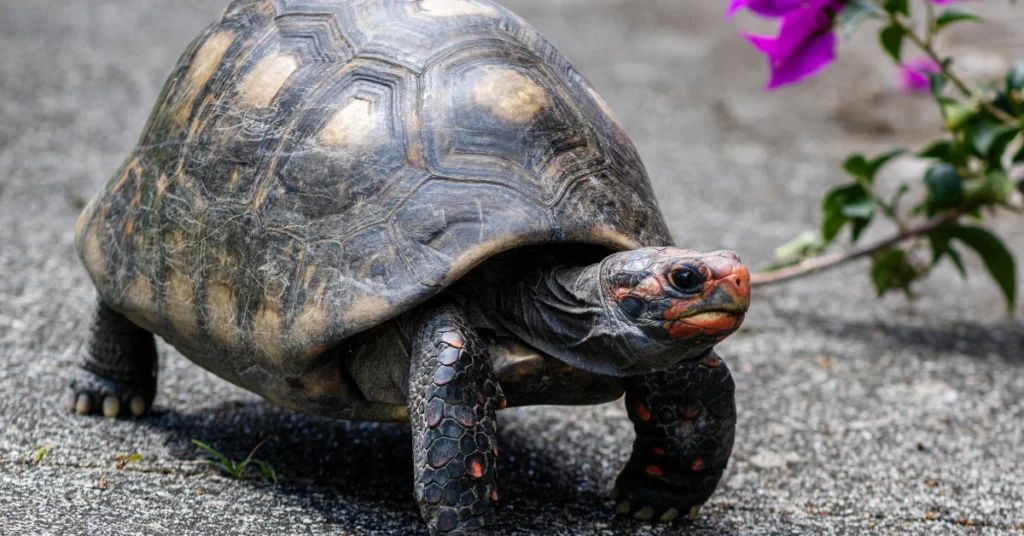
Many websites stretch their lists to 20 or 30 animals. Corn snakes, hermit crabs, snails, African dwarf frogs, sea monkeys, and tarantulas often make the cut. That is where a top 20 easiest pets to take care of list can go wrong.
Starter kits make these animals look simple. Many need careful heat, humidity, or water conditions, and some need a vet with special training. We could not verify care details for those species. So this guide does not give advice for them. Ask a vet who treats exotic pets before you buy any of them.
The Turtle Problem
Some pet blogs list turtles as an easy first pet. Public health data says otherwise.
- The law: The FDA has banned the sale of turtles with shells under 4 inches since 1975. Small turtles are a known source of illness, since kids tend to put them in their mouths.
- The outbreak: On Aug 5, 2026, the CDC announced a Salmonella outbreak linked to pet turtles. All the first sick people were children under 10.
- The update: Secondary reports on the CDC’s Sept 18 update count 20 sick people in 12 states. Five were hospitalized, and half of the sick were under age 5.
- Where turtles came from: Reports mention pet stores, flea markets, and a reptile expo. Three people got their turtles as gifts.
Please check the CDC outbreak page for the latest numbers.
Clean Does Not Mean Germ-Free
Salmonella is a germ that causes diarrhea, fever, and stomach cramps. Reptiles and amphibians can carry it even when they look clean and healthy. The CDC says they are not a good fit for homes with children under 5, adults 65 and older, or people with weakened immune systems.
If a turtle no longer fits your family, do not release it outdoors. The CDC suggests calling a reptile rescue, shelter, or pet store to rehome it.
Pets That Are Easy to Take Care of and Cheap: Upfront Setup vs. Lifetime Cost

A low price tag at the pet store rarely tells the whole story. We found no reliable dollar figures, since sources disagree. So here are the real cost drivers instead.
Gear You Buy on Day One
Some pets that are easy to take care of and cheap to buy still need a lot of equipment.
- Betta fish: a tank, heater, filter, thermometer, and water test kit (PetMD).
- Leopard gecko: PetMD’s supply list has about 20 items. UVB bulbs also need replacing every six months, even if they still glow.
Things You Keep Buying
Some costs repeat. Every pet needs a yearly vet checkup, and exotic pets need a vet who treats them.
Food can add up in small ways. Guinea pigs need vitamin C every day. PetMD says pellets lose vitamin C about three months past their production date, so old bags may not help.
Years Add Up
A long life means a long bill. Goldfish live 10 to 15 years, sometimes up to 20. Leopard geckos live 10 to 20. A cheap pet can turn into a big commitment.
Give Your New Pet Time to Settle
Shelters use the 3-3-3 guideline. ASPCApro and Animal Humane Society describe it this way:
| Time | What to expect |
| First 3 days | Your pet decompresses and may feel overwhelmed |
| First 3 weeks | Your pet learns the routine |
| First 3 months | Your pet feels secure and shows their true personality |
Some pets need longer. Wait a few weeks before introducing them to other pets in your home.
Patience can also save money. A shy or quiet pet in week one may not be a problem to fix.
What Is the Easiest Pet to Take Care of for a Kid? (What Vets & Pediatricians Say)

Parents are the real caregivers. The AVMA says it is unrealistic to expect a child to be solely responsible for any pet. Kids can help, but an adult has to make sure the animal is fed, cleaned, and cared for every day. Read more in the AVMA guide to choosing a pet for your family.
How Old Should a Child Be?
The American Academy of Pediatrics suggests waiting until a child is around 5 or 6. Younger kids can have trouble telling an animal from a toy, which can lead to bites.
The Hamster Myth
Some sites call hamsters a great learning pet for kids. Vet sources disagree:
- Animal Humane Society says hamsters are not suitable for young children, since they are nocturnal and may nip.
- PetMD says Syrian hamsters are a poor fit for young or unsupervised kids because of nighttime activity, biting, and escape risk.
- The AVMA notes that a pet active at night is a weaker match for young children.
When the Experts Disagree
Children’s Hospital of Philadelphia suggests birds, fish, and guinea pigs as an easy start for young kids. The CDC takes a stricter view. It advises children under 5 to avoid reptiles, amphibians, poultry, and rodents. Guinea pigs are rodents, so the two sources clash here.
The safest path is to talk with your pediatrician and your vet before you choose.
Germ Safety at Home
Germs can spread without a touch. Pet food, equipment, and habitats can carry them. Always have kids wash their hands with soap and water after touching a pet or its cage, and supervise young children.
Pregnant people should also take care. The CDC says they should avoid handling pet rodents when possible, because of a virus called LCMV. Ask your doctor or OB-GYN before bringing one home.
Frequently Asked Questions
What is the 3-3-3 rule for pets?
It is a guideline for a newly adopted pet: 3 days to decompress, 3 weeks to learn your routine, and 3 months to feel secure. Wait a few weeks before introducing other pets.
What is the best pet for beginners?
No single pet wins. PetMD rates bettas (in a heated, filtered, cycled tank) and leopard geckos as beginner-friendly. Best Friends also suggests cats, senior dogs, guinea pigs, and rats. Match the pet to your kids, allergies, and vet access.
What pet requires the least work?
After setup, bettas and leopard geckos need the least daily hands-on time. Vets differ, though. One exotic vet ranked guinea pigs, rats, and hamsters lowest-maintenance.
What is a cheap but good pet?
A low price tag can mislead. Bettas and geckos need long equipment lists, exotics need specialty vets, and goldfish and geckos can live 10 years or more.
What pet can I leave alone for a week?
No vet-backed source calls a full week alone safe. Adult dogs can manage 6 to 8 hours. Healthy adult cats can manage 8 to 12 hours, but need a sitter past 24 hours.
What are the top 10 easiest pets to own?
No official ranking exists. This guide’s best-supported picks are bettas, goldfish, leopard geckos, adult cats, senior dogs, guinea pigs, hamsters, rats, rabbits, and budgies.
What’s the cleanest house pet?
There is no official answer. One vet-school blog lists fish, reptiles, amphibians, and rodents as tidy. But the CDC says reptiles and small mammals can carry germs even when they look clean. Wash your hands.
What is the #1 friendliest animal?
No verified number one exists, and every pet is an individual. Guinea pigs rarely bite, rats are typically sociable, and leopard geckos are easygoing but do not need cuddling.
What is the best pet for busy or low-energy people?
Try an adult cat, who can handle 8 to 12 hours alone. A senior dog may nap while you work but still needs walks. One expert cautions that needing an always-easy pet may signal the timing is off.
Conclusion
No pet is truly effortless, but many fit a busy life. Bettas and leopard geckos need the least daily time once their homes are set up. Adult cats and senior dogs suit a normal workday. Guinea pigs, hamsters, and rats work in smaller spaces.
Before you choose, check the setup work, the lifespan, and whether a local vet treats your pet. If kids, pregnancy, or weak immune systems are part of your home, talk with your doctor first. Then give your new pet time to settle in.