
Type “most aggressive dog breeds” into Google and you will get a dozen different answers. That is not an accident. It is because two very different kinds of data are being mixed together, and most blogs never tell you which one they are using.
It depends on the source. News and bite-claim reports usually point to Pit Bulls and Rottweilers. But a peer-reviewed study using the C-BARQ behavior survey found that Dachshunds and Chihuahuas actually score highest for aggression toward people and other dogs. Both are true. They just measure different things.
This guide breaks down both, so you can see the full picture instead of just one slice of it.
A quick note before we start: this article is for general information only. It is not a substitute for advice from a licensed veterinarian or certified dog behaviorist, who can assess your specific dog.
The Two Different Realities of Dog Aggression Statistics

Two groups collect dog aggression data, and they are not measuring the same thing.
The first group tracks bite severity. News outlets, insurance companies, and injury law firms compile reports after an attack happens, often based on what a witness or news article called the dog. This is where high fatality counts come from. CDC WONDER data shows 2024 was the worst year on record, with 127 reported dog bite fatalities in the US.
The second group studies behavior patterns in everyday dogs, long before any bite ever happens. Researchers survey thousands of owners about how their dogs react to strangers, other dogs, and daily situations. This is where the C-BARQ study comes from, and it is a very different lens.
Here is the catch with bite reports: breed identification is often wrong. In 2024, pit bulls and pit bull mixes made up 68% of breed identifications in fatal attack reports, but that number relies on how a dog looked, not DNA testing. This is exactly why the CDC stopped officially attributing fatal attacks to specific breeds after 1998. Visual identification was simply too unreliable to support firm conclusions.
This is also why the American Veterinary Medical Association officially opposes breed-specific bans. The AVMA’s position is clear: breed plays a small role in whether a dog bites, and a dog’s behavior depends on many factors working together, not its breed alone.
So when a list claims one breed is “the most aggressive,” it is worth asking which kind of data it is actually using.
Comparison Table: Media Perception vs. Behavioral Science
Here is what each ranking method actually shows, side by side.
| Media / Bite-Statistic Rankings | C-BARQ Behavioral Study Rankings |
| Pit Bull-type dogs | Dachshunds |
| Rottweilers | Chihuahuas |
| German Shepherds | Jack Russell Terriers |
The gap between these two lists comes down to one big factor: size.
A large dog’s bite can cause serious injury or make the news. A small dog’s bite rarely does either. That means a Chihuahua can snap at a stranger ten times more often than a Rottweiler, yet never show up in a bite statistics report simply because the outcome was not severe enough to need medical care or a news story.
In other words, big dogs get counted when they act out. Small dogs often get excused, even when they act out more. Size does not change how often a dog shows aggression. It only changes how visible that aggression becomes.
The Most Aggressive Dog Breeds According to Science (Top 10)

Most “top 10 aggressive dog breeds” lists are not based on any real study. They are usually opinion, repeated from one blog to the next. Here is what an actual peer-reviewed study found, and we will be honest about where the data stops.
The study behind these rankings
Researchers Deborah Duffy, Yuying Hsu, and James Serpell at the University of Pennsylvania surveyed owners of more than 30 breeds using the C-BARQ, a detailed behavior questionnaire. It asked how dogs actually respond to strangers, other dogs, and family members in daily life. This is behavior tracked over time, not a single bite report.
Dachshund
The Dachshund topped the list for aggression overall. In the study, Dachshunds showed the highest combined rate of aggression toward strangers, other dogs, and even their own owners. For a breed often seen as a cuddly lapdog, this result surprises a lot of people. But a small, determined dog that growls, snaps, or lunges is still showing real aggressive behavior, even if it rarely makes the news.
Chihuahua
Chihuahuas ranked high for aggression toward both humans and other dogs, placing them near the very top alongside Dachshunds. Their small size means most of this behavior gets brushed off as “sassy” rather than treated as something to train out.
Jack Russell Terrier
Jack Russell Terriers also showed notably high aggression scores in the same dataset. Like the breeds above, their size often means this behavior goes unaddressed.
Breeds that are aggressive, but only in specific ways
Not every breed scored high across the board. Some stood out for aggression in just one area.
- Akitas scored high specifically for aggression toward other dogs, not toward people.
- Pit Bull Terriers also scored high for dog-directed aggression in this study, again not necessarily toward humans.
This matters a lot. A dog that struggles around unfamiliar dogs is a very different management challenge than a dog that struggles around people. Lumping them into one “aggressive” label hides that difference.
Why small-dog bias skews what we notice
Here is the part most lists skip. A large dog that growls at a stranger gets corrected fast, often with professional training, because the stakes feel high. A small dog that does the exact same thing often gets picked up, laughed off, or ignored.
This is called small-dog bias, and it is a real pattern. The behavior does not go away. It just does not get addressed, which means it can show up again and again in everyday situations, exactly the kind of repeated behavior the C-BARQ study was built to catch.
What about Dalmatians?
Dalmatians show up often in search results and older blog posts about aggressive breeds. The current C-BARQ data we are working from does not single out Dalmatians as a top scorer for aggression. Historically, the breed was used for guarding carriages, which may be where the reputation comes from, but we have not found a peer-reviewed study backing up a specific aggression ranking for this breed. Until one exists, it is fair to say the Dalmatian’s spot on “most aggressive” lists is more folklore than data.
Why there isn’t a clean “top 10”
You may notice this list is shorter than the “Top 10” title suggests. That is on purpose. The C-BARQ study did not publish a full numbered ranking of all 30-plus breeds from 1 to 10. It highlighted the breeds that stood out most clearly, which are the ones listed above. Any list claiming a precise order beyond this is filling in gaps with guesswork, not science. We would rather give you fewer, accurate data points than a tidy list that is partly made up.
Misunderstood Behaviors: Guardian Instincts, Prey Drive, and Myths
Owner forums like r/dogs are full of frustration about this exact topic, and a lot of that frustration is fair. One word, “aggressive,” gets used to describe three completely different behaviors.
The first is dog-to-dog aggression, which is often tied to prey drive or poor socialization with other dogs. A dog that lunges at another dog on a walk is not necessarily a danger to people. These are related but separate traits, and treating them as one and the same is a common mistake in casual lists.
The second is human-directed aggression, which is what most people actually worry about when they search this topic.
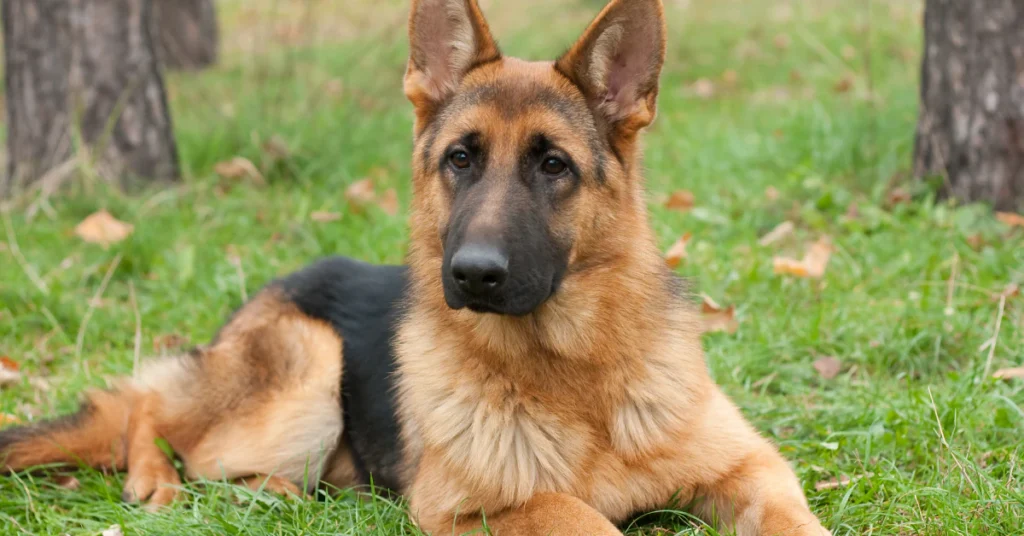
The third is what owners of guardian breeds know well. Chow Chows and German Shepherds are often gentle, even goofy, with their own family, but genuinely reactive toward unfamiliar people. This is not a contradiction. It is the breed doing exactly what it was shaped to do: protect its people and stay wary of strangers. It just does not fit neatly into a “friendly” or “aggressive” box.
One myth deserves to be put to rest clearly. Pit Bulls do not have a “locking jaw.” No dog breed has a jaw that physically locks in place. This is one of the most repeated claims online, and it is simply not how canine jaw anatomy works for any breed.
Understanding these distinctions matters more than memorizing a ranked list. A dog that is wary of strangers but devoted to its family needs a different approach than a dog that struggles around other dogs at the park.
The Financial Reality: Homeowners Insurance and Breed Restrictions
Behavior science is only half the story. For many US pet owners, the bigger surprise comes from their insurance policy, not a study.
Most homeowners and renters insurance policies include liability coverage that pays out if your dog injures someone. But many insurers keep a restricted breed list, and dogs like Pit Bulls, Rottweilers, and Dobermans are commonly on it. If your dog is on that list, you may face higher premiums, a signed liability waiver, or an outright coverage denial.
The numbers explain why insurers do this. According to the Insurance Information Institute, over 60% of dog bite liability claims involve breeds commonly labeled “restricted.” In response, some insurers raise premiums by 25% to 40% for owners of these breeds, even if the dog has never shown aggressive behavior.
This can catch new owners off guard. Someone might adopt a dog, fall in love with it, and only learn months later that their policy excludes it.
There is a shift happening, though. A growing number of states are pushing back on blanket breed restrictions in insurance. New York’s Senate Bill S9207 aims to stop insurers from refusing or canceling a policy based solely on a dog’s breed. California has similar protections in place. The logic mirrors the AVMA’s own position: a dog’s individual behavior matters more than its breed label.
If you are adopting a dog or shopping for a new policy, it is worth calling your insurer directly and asking about breed restrictions before you sign anything. A quick phone call can save you a stressful surprise later.
What Actually Causes Dog Aggression? (Beyond Breed)
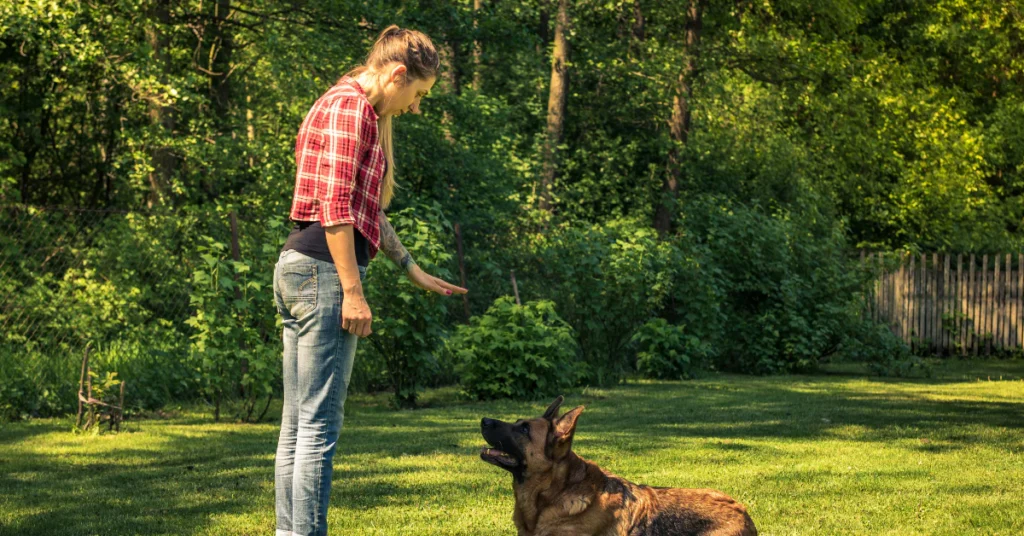
If breed were the whole story, every dog of the same breed would act the same way. They do not. The AVMA Task Force on Canine Aggression looked into this and found that biting behavior comes down to five factors working together, not one.
- Heredity. Genetics play a role, but it is only one piece.
- Early experience. Puppies who are exposed to new people, sounds, and situations early tend to handle the world more calmly later on.
- Socialization and training. Ongoing, consistent training shapes how a dog responds to stress throughout its life.
- Medical and behavioral health. Pain, illness, or an undiagnosed health issue can make any dog more likely to snap.
- Victim behavior. How a person approaches or interacts with a dog in the moment affects the outcome too.
This is good news for owners. It means a lot of what shapes a dog’s behavior is within your control. Genetics load the gun, but training, health care, and environment decide a lot of what happens next.
Frequently Asked Questions
What are the top 10 aggressive dog breeds?
There isn’t one agreed-upon list. Bite and insurance claim reports point to Pit Bulls, Rottweilers, and German Shepherds. The peer-reviewed C-BARQ study instead found Dachshunds, Chihuahuas, and Jack Russell Terriers scored highest for frequency of aggressive behavior. Both are accurate. They just measure different things.
What is the #1 most aggressive dog breed?
Based on the C-BARQ study from the University of Pennsylvania, the Dachshund scored highest overall for aggression toward strangers, other dogs, and even its own owners.
Which dog is statistically more aggressive?
According to that same study, Dachshunds and Chihuahuas scored higher than any other breed tested for aggression directed at both people and other dogs.
What are the top 10 least aggressive dogs?
The C-BARQ study identified six breeds that scored lowest for aggression toward both people and dogs: Golden Retrievers, Labrador Retrievers, Bernese Mountain Dogs, Brittany Spaniels, Greyhounds, and Whippets. We’re listing six here, not ten, because that’s what the data actually supports. For more on normal versus concerning dog behavior, the ASPCA’s guide to dog aggression is a solid resource.
What are the top 5 toughest dogs?
“Toughness” isn’t a measured behavioral category in any study we used, so there’s no verified ranking to point to here. If you’re asking because you want a sturdy, confident working or guardian breed, that’s a different and more useful question to ask a breeder or trainer directly.
What dog has the highest IQ ever?
Based on Stanley Coren’s research in The Intelligence of Dogs, the Border Collie ranks highest for working and obedience intelligence, meaning how quickly it learns and follows commands.
What’s the lowest IQ dog? What are the dumbest dog breeds in order? What are the 10 least trainable dog breeds?
These three questions point to the same source, so here’s one honest answer. Coren’s rankings measure trainability and obedience speed, not general intelligence. A dog that ranks low here can still be clever in other ways, just less interested in following commands. By this measure, the Afghan Hound ranks lowest, followed by breeds like the Basenji, Bulldog, and Chow Chow. None of this is a measure of how smart, loyal, or lovable a dog actually is.
Conclusion
The truth about aggressive dog breeds isn’t as simple as a ranked list makes it look. Bite reports and behavioral studies measure two different things, and both tell you something real. What matters most isn’t the breed label on paper. It’s a dog’s individual health, training, and the environment it’s raised in. Whether you’re picking a new dog or just trying to understand the one you already have, those five factors from the AVMA will tell you more than any “top 10” list ever could.